The lunar calendar still runs the Korean home. It decides when the ancestors are set a table, when the first spoon of tteokguk is eaten, when the children put on hanbok and bow low enough that their sleeves brush the floor. The Gregorian dates on your phone are convenient. The lunar ones are the ones our grandmothers watch.
Korean holidays are less a list than a calendar the country still lives by. Seollal opens the year with white rice-cake soup and a fresh age. Daeboreum lights the fields. Dano braids herbs into the hair. Chuseok gathers everyone under a full moon with songpyeon in their hands. Read this as an entry point to the days that Korean families still keep, at home and abroad.
Chuseok, the Harvest Festival, is a third important national holiday observed in South Korea. It takes place during the autumn months and serves as a time for family reunions, feasting, and honoring ancestors. The significance of these holidays reflects South Korea’s blend of Confucian values, agrarian customs, and modern societal norms, making them pivotal in understanding the country’s social fabric.
In addition to these major holidays, South Korea observes various other special days, including Pepero Day on November 11, which celebrates friendship and affection among loved ones. These national holidays not only provide a sense of continuity with the past but also adapt to contemporary life, demonstrating the dynamic nature of Korean culture.
South Korean holiday traditions are also marked by specific activities, such as traditional games, festive dances, and communal meals, enhancing the experience of celebration. Such traditions are often passed down through generations, creating a sense of familial and cultural bonding that resonates within the community.
In conclusion, the cultural significance of South Korea’s national holidays is manifold. They encapsulate a rich history, promote familial connections, and build national pride, ensuring that these traditions remain alive and relevant in an changing society.
Seollal: Celebrating the Lunar New Year in Korea
Seollal, or the Lunar New Year, is one of the most anticipated holidays in South Korea, heralding the arrival of spring and the hopes for prosperity in the coming year. Traditionally, the holiday lasts for three days, allowing ample time for families to gather and celebrate. The festivities typically begin on the eve of Seollal, when families engage in preparatory activities, including cleaning their homes to sweep away ill fortune and preparing traditional dishes.
The highlight of Seollal is the traditional ceremony known as Charye. During this ritual, family members pay homage to their ancestors by setting a table with specially prepared foods such as rice cake soup (tteokguk), fish, and vegetables. This act of respect maintains a connection with the past and reinforces the importance of family in Korean culture. Eating tteokguk is believed to symbolize the gaining of a year in age and wisdom.
In addition to familial rituals, Seollal is a time for playful activities and traditional games. One popular game is Yutnori, which involves wooden sticks and is played on a board. Families often enjoy this game together, further enhancing the festive atmosphere. Children, in particular, look forward to receiving New Year’s money (sebae don), a small monetary gift given in acknowledgment of their respectful bowing to their elders.
The culinary aspect of Seollal is richly diverse, with various regional specialties. While tteokguk is a staple, other dishes may include japchae and mandu, which reflect the diversity of the country’s gastronomical traditions. Each family may have its own unique recipes passed down through generations, lending a personal touch to the holiday celebration.
In modern times, while traditional customs remain intact, Seollal has also evolved to incorporate contemporary influences. Many people now travel abroad during the holiday season or celebrate in urban centers rather than returning to their hometowns. This shift reflects the changing dynamics of Korean society, where the balance between tradition and modernity continues to evolve.
Ultimately, Seollal serves as a beautiful representation of South Korea’s cultural values·heritage, family, and community. Through rituals, games, and shared meals, the holiday reinforces the bonds that connect individuals to their history and to one another.
Chuseok: The Harvest Festival and Ancestral Worship
Chuseok, often referred to as the Korean Harvest Festival, is another cornerstone of South Korean traditions that emphasizes gratitude for the earth’s bounty and reverence for ancestors. Celebrated in the middle of autumn, Chuseok is a time when families gather to offer thanks for a good harvest and to engage in ancestral rites known as Charye. These ceremonies are rooted in Confucian values, where honoring one’s ancestors is a critical aspect of maintaining familial ties.
Preparations for Chuseok begin well in advance, with families cleaning their homes and preparing special foods to be offered during the ceremonies. Chuseok is associated with songpyeon, a rice cake filled with sweetened sesame or chestnut paste. Making songpyeon is typically a communal activity where family members gather to mold and shape the cakes together, symbolizing unity and collaboration.
The holiday also features various cultural activities designed to preserve traditional practices and promote communal spirit. One such activity is Ganggangsullae, a traditional dance performed under the moonlight, where women form a circle and sing folk songs. This dance not only provides entertainment but also builds a sense of community and collective joy.
Regional variations in Chuseok celebrations add rich layers to the holiday’s significance. For instance, certain areas may have unique customs, such as specific games or folk performances that differ from one province to another. These regional distinctions enhance the holiday’s diversity, allowing for a lively mix of celebrations across the country.
Chuseok also presents an opportunity for charitable acts, with many Koreans engaging in activities that benefit those less fortunate. The spirit of giving and sharing is emphasized during this festival, reinforcing the values of community and generosity that are embedded in Korean culture.
As Chuseok continues to be celebrated, the balance between traditional observance and modern lifestyles remains an ongoing conversation. While many families still prioritize ancestral rites, others find ways to incorporate new practices that resonate with contemporary life. In this manner, Chuseok evolves while retaining its core significance as a time of gratitude, family unity, and cultural celebration.
Unique Festivals: From Fireworks to Lanterns
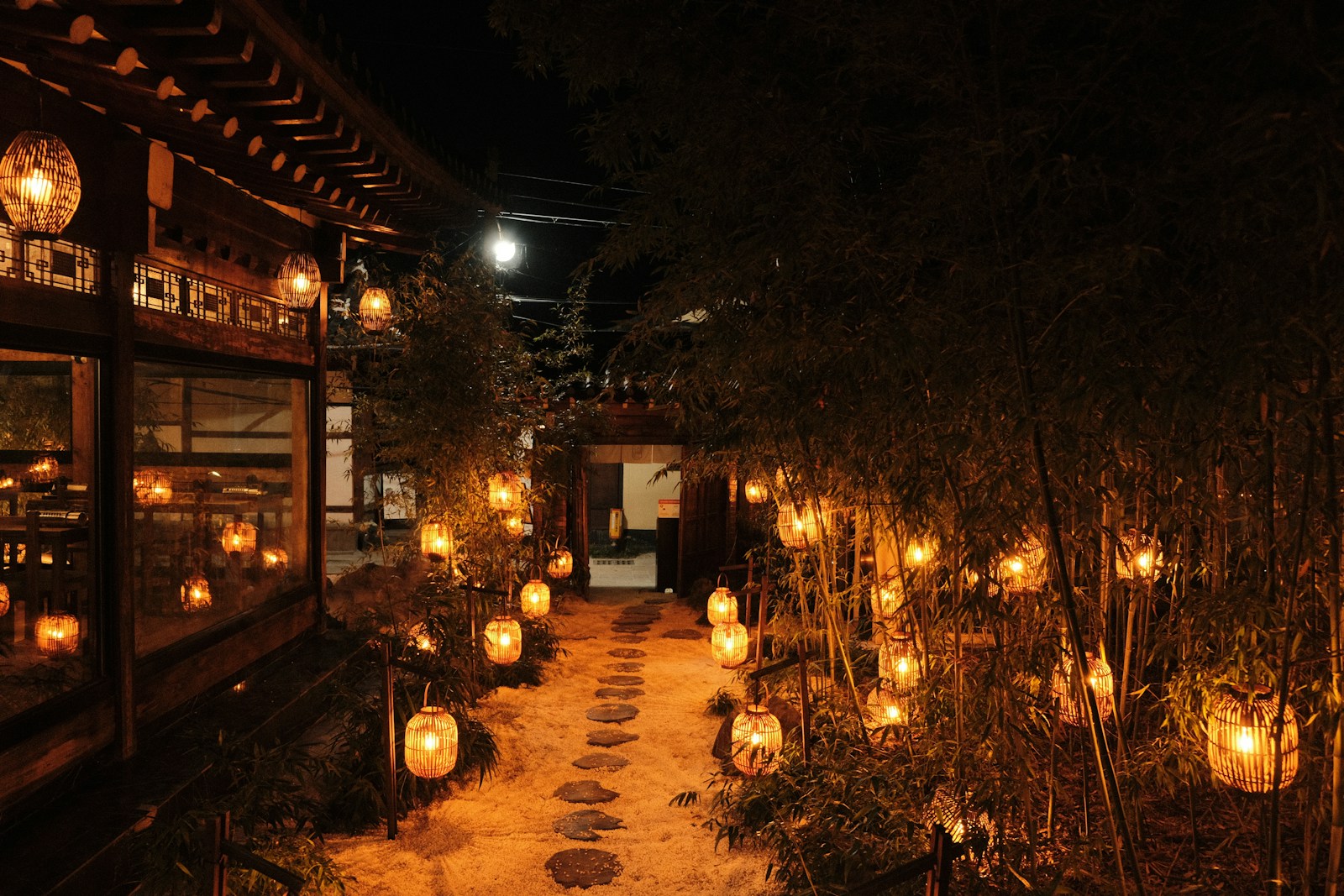
Beyond the traditional holidays, South Korea boasts a lots of unique festivals that celebrate its rich heritage and contemporary creativity. These events often combine traditional customs, modern entertainment, and cultural showes, creating an exciting atmosphere for both residents and tourists. These events often incorporate traditional customs, modern entertainment, and cultural showes, creating an exciting atmosphere for both residents and tourists. One such event is the Seoul Lantern Festival, held annually along the Cheonggyecheon Stream, where beautifully crafted lanterns illuminate the waterway, attracting visitors from all over the world.
Fireworks festivals, particularly in cities like Busan and Incheon, captivate audiences with dazzling displays that light up the night sky. These events frequently coincide with other major celebrations, such as the Busan International Film Festival, and serve as grand spectacles that enhance the festive spirit of the season. The inclusion of music and cultural performances during these festivals makes them all the more appealing and engaging.
The Boryeong Mud Festival is another unique celebration that showes South Korea’s innovative approach to festivals. Held annually on the beaches of Daecheon, this lively event attracts thrill-seekers who partake in mud wrestling, mudslides, and various mud-based activities. The festival emphasizes the healing properties of mud and has transformed into a major tourist attraction, blending tradition and modernity smoothly.
South Korea’s Jeonju Bibimbap Festival highlights the country’s deep-rooted culinary traditions while celebrating one of its most famous dishes, bibimbap. This festival allows visitors to indulge in various bibimbap styles and participate in cooking classes, offering immersive experiences that celebrate Korean gastronomy.
seasonal festivals, such as cherry blossom festivals held in spring, showe the natural beauty of the country and the changing of seasons. When cherry blossoms bloom, parks and streets become a canvas of pink and white, drawing visitors who come to appreciate the fleeting beauty of these flowers. The celebrations often include picnics, performances, and cultural events, creating a lively atmosphere that unites people in their love for nature.
Ultimately, the unique festivals in South Korea not only offer entertainment but also serve as a platform to preserve cultural heritage, build community spirit, and promote tourism. By showing a blend of tradition and contemporary influences, these festivals contribute significantly to the lively cultural landscape of the nation.
Regional Variations in Holiday Celebrations Across Korea
South Korea’s regional diversity contributes greatly to the unique ways in which holidays are celebrated across the country. From the busy capital of Seoul to the serene landscapes of Jeju Island, traditions and customs can vary dramatically, enriching the cultural mix of the nation. In cities like Busan, Chuseok celebrations may focus more on maritime traditions, incorporating fresh seafood dishes that reflect the coastal lifestyle, whereas inland regions might emphasize agricultural practices and harvest-centric meals.
local festivals often highlight specific historical events or cultural practices unique to a region. For instance, the Jeonju Hanok Village holds a series of festivals that celebrate traditional Korean architecture and lifestyle, allowing visitors to experience activities like traditional tea ceremonies and folk games. This localized celebration of history and culture provides an avenue for both residents and visitors to engage with South Korea’s rich past.
During Seollal, you may observe different regional delicacies, with certain provinces boasting special types of rice cakes or side dishes that have become local specialties. People from Gyeongju might prefer certain types of tteok, while those from Seoul may introduce their unique twist to traditional recipes. This diversity in cuisine enhances the overall holiday experience, as families proudly share their regional dishes with one another.
Winter festivities in the mountainous regions often include unique customs like ice fishing and skiing competitions, adding a distinct twist to the seasonal celebrations. These local practices serve to keep the community engaged while highlighting the natural beauties that their regions have to offer. This strong connection to land and nature is a cherished aspect of holiday observances, particularly in rural areas.
The essence of holiday celebrations across regions also reflects the local community’s values and priorities. In regions with strong agricultural ties, such as Jeolla Province, celebrations may underscore the importance of farming and the cycles of nature through traditional prayers or offerings. In contrast, urban areas might focus on modern interpretations of these holidays, incorporating contemporary elements that resonate with the younger generation.
As cultures continue to interact and evolve, the regional variations in holiday celebrations are likely to adapt. This ongoing transformation ensures that the lively traditions of South Korea remain rooted in their historical significance while resonating with modern sensibilities, allowing future generations to experience the rich diversity of holiday customs.
Traditional Foods That Define Korean Festivities
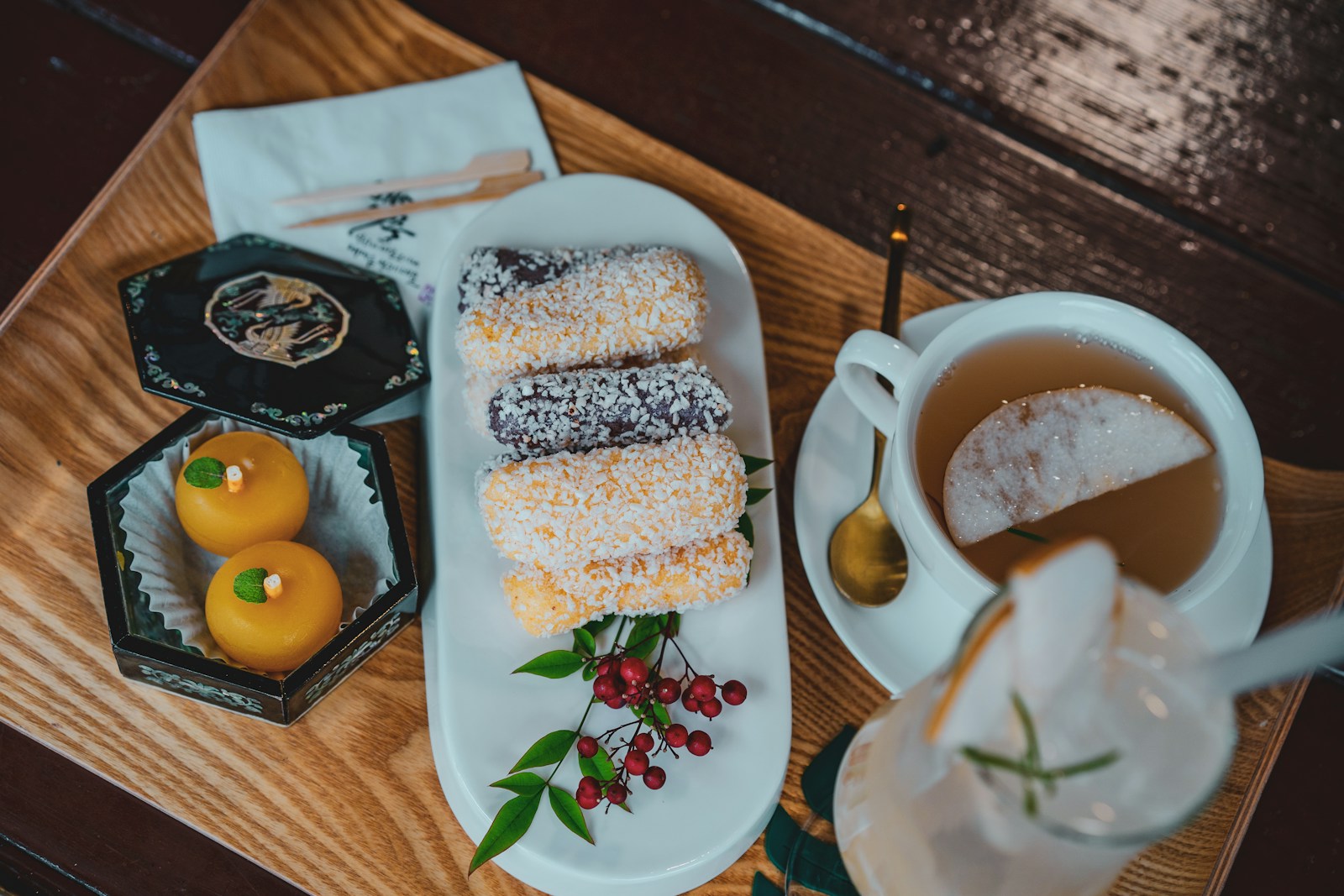
Food plays a central role in South Korean holiday celebrations, serving as both sustenance and a symbolic representation of cultural identity. Each major holiday features distinct dishes that not only satisfy the palate but also carry deep significance. For example, during Seollal, eating tteokguk is a beloved custom, symbolizing the transition into a new year and the wisdom that comes with age. The rice cake soup is enjoyed by families together, reinforcing the bonds of kinship.
Chuseok, on the other hand, prominently features songpyeon·rice cakes made from glutinous rice filled with sweetened ingredients. Making these treats is often a family affair, with everyone contributing to the crafting of their unique shapes and flavors. This collective effort adds an extra layer of meaning, as it embodies the spirit of togetherness and gratitude for the harvest.
Traditional side dishes, known as banchan, are also an integral part of holiday meals. Families often prepare a variety of banchan to accompany the main dishes, showing the diversity of Korean cuisine. These small dishes, ranging from kimchi to seasoned vegetables, highlight the detailed flavors and presentations that characterize Korean food culture. The act of sharing these dishes among family members during holiday gatherings serves to unify the group in celebration.
In addition to traditional meals, seasonal specialties also play a crucial role in defining holiday cuisine. For example, during the cherry blossom season, special foods such as sakura mochi (sweet rice cakes) may be prepared to celebrate the beauty of blooming flowers. These seasonal dishes not only bring joy but also emphasize the connection between food and nature, showing the importance of the changing seasons in Korean culture.
Regional specialties further enrich holiday meals, with each province offering its unique take on traditional dishes. These variations not only add depth to the culinary experience but also allow families to celebrate their heritage through food. Such diversity may include local favorites that aren’t widely known outside their regions, making holiday meals a wonderful opportunity for exploration and discovery.
Ultimately, the traditional foods of South Korea serve as a testament to the country’s rich culinary history, embodying the values of community, familial love, and gratitude. Through shared meals during holidays, Koreans continue to honor their traditions and reinforce their cultural identity, ensuring that these gastronomical legacies remain alive for future generations.
In a world that constantly evolves, South Korea’s lively holiday traditions and festivities remain a steadfast connection to its cultural heritage. The nation’s major holidays·such as Seollal and Chuseok·celebrate not only the changing seasons but also the ties that bind families and communities. Unique festivals and regional variations add further depth and richness to these celebrations, revealing a country that honors its past while embracing modern influences.
As globalization continues to shape cultural practices, there is a growing interest among younger generations to retain and reinterpret these traditions. A promising future for South Koreas holiday traditions is suggested by this dynamic interplay between heritage and modernity. South Korea’s holiday traditions, which are based on respect, family connections, and gratitude, will be remembered for a long time. This shows that South Korea’s past and future are connected.