A single gold norigae rests on a friend's dresser, catching the morning light. The tassel is fresh silk. The pendant is antique. Together they look at once inherited and just made.
The last few years have brought Korean jewelry back to a global audience with something new to say. Designers in Seoul are pulling from Joseon-era motifs and rendering them in fine metal, minimal stones, and a lighter hand. The pieces read as heritage and modern at once. That balance is the trend worth understanding.
International fashion weeks also had a significant impact, as Korean designers began to exhibit their works alongside well-known international labels. Korean jewelry’s reputation has been further strengthened by its availability in upscale stores, making it a sought-after option for jewelry aficionados who value originality combined with superior craftsmanship.
Because many Korean jewelry brands emphasize sustainability and ethical standards, they appeal to consumers who are equally concerned about the environment. This is in line with a broader worldwide trend towards responsible consumerism. This strategy increases the appeal of Korean jewelry in international markets by making it more appealing to consumers who appreciate both beauty and ethical manufacturing.
In addition, noteworthy partnerships between jewelry companies and K-pop artists have ushered in a new era of celebrity endorsement in the fashion sector. These collaborations have raised awareness of complete collections as well as individual pieces, generating demand and excitement that goes beyond conventional promotional techniques.
Overall, the popularity of Korean jewelry in international fashion marketplaces reflects a growing respect for distinctive artistic expressions that honor tradition, creativity, and environmental awareness. This represents a significant change in the way that indigenous artwork is recognized and valued around the world.
Important Features of Contemporary Korean Jewelry Design
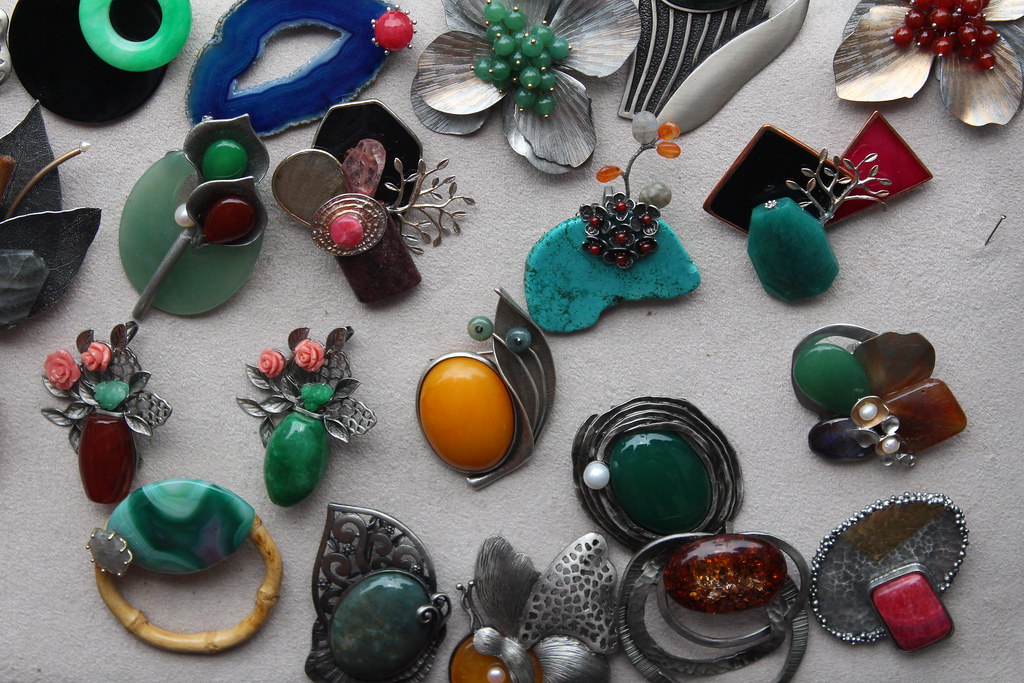
Beautifully detailed features that frequently blend ancient methods with contemporary aesthetics define Korean jewelry creation. The creative use of materials is one of the most obvious aspects of modern Korean designs. In addition to traditional precious metals, designers are experimenting more and more with non-traditional materials like resin and semi-precious stones to create pieces that are eye-catching and functional.
Predominant elements include asymmetrical patterns and geometric shapes that combine a fun element with a modern minimalist aesthetic. Korean jewelry is known for its unique combination of innovation and simplicity, which makes it suitable for both formal and informal settings without sacrificing its allure.
The tactile quality of Korean jewelry is greatly influenced by texture. Designers frequently use methods like layered metal work and contrasting finishes that entice closer examination to produce visual depth. Each piece becomes a unique yet communal experience as a result of the attention to tactile detail, which also improves the piece’s aesthetic appeal and engages the wearer.
In addition, the color scheme used in Korean jewelry frequently draws inspiration from the natural world, producing earthy tones, delicate pastels, and vivid accents. Designers create a sense of balance and harmony by incorporating natural colors, which is in line with the larger cultural aesthetic that permeates Korean art and design.
In the world of Korean jewelry, customization is another trend that is becoming more popular. Numerous companies provide customized alternatives that let buyers engrave names, important anniversaries, or even unique symbols on their products. By emphasizing personal expression, the jewelry gains additional meaning and becomes more than just a stylish piece of clothing.
Finally, a recurrent element is the combination of traditional motifs and modern design. The incorporation of traditional knot designs, lotus flowers, and tigers into contemporary items is a common practice that reflects a rich cultural legacy while appealing to a worldwide clientele. This combination highlights the value of storytelling in jewelry design by introducing consumers to the craftsmanship and background of the pieces they wear.
Cultural Aspects Affecting Jewelry Trends in Korea
South Korea’s jewelry styles are greatly influenced by its cultural environment. A historical influence for Korean jewelry was Confucianism, which placed a strong emphasis on harmony and modesty. Because of this, traditional artifacts frequently favored subdued hues and subtle motifs, reflecting a style that valued modesty over ostentation.
Nonetheless, there is a discernible trend in modern society toward vivid and expressive designs that capture the country’s lively culture and wide-ranging impact. The shift from traditional to modern patterns is a reflection of larger cultural shifts toward an acceptance of individualism and self-expression. This development suggests a cultural renaissance in which conventional iconography is creatively reinterpreted to captivate a younger audience.
Jewelers can also find a lot of inspiration in Korean art forms including calligraphy, ceramics, and hanbok (traditional dress). These art forms’ elements frequently find their way into jewelry designs, producing items that evoke the complex patterns, vivid hues, and all-encompassing aesthetics of Korean culture. The fusion of several artistic mediums cultivates a more profound admiration for skill and aesthetics.
In addition, contemporary jewelry trends are influenced by the rebirth of interest in Korean spirituality and shamanic traditions. There is a sense of depth and mystery when talismans, protective symbols, and natural elements are incorporated. Many find that donning such decorations connects them to their spiritual beliefs and cultural heritage in addition to being aesthetically pleasing.
the effects of globalization cannot be disregarded. Foreign influences have been mingling with local traditions in a push-pull dynamic as Korean consumers become more exposed to global fashion trends. This combination creates a hybrid look that appeals to a market that values adaptability and diversity by incorporating elements of both local identity and international trends.
Finally, it is impossible to overstate the influence that K-pop and K-drama had on the spread of cultural trends. Fans are greatly influenced by the fashion decisions made by celebrities, which affects their jewelry-buying habits. In order to make sure that their creations reflect the ideals and interests of the modern society, designers frequently draw inspiration from these cultural icons.
The Craftsmen’s Contribution to Korean Jewelry Design
In the world of Korean jewelry, artisans are highly esteemed for their dedication to fine craftsmanship and careful attention to detail. There is a long history of talented artisans in South Korea, many of whom have spent decades or even generations perfecting their craft. Korean jewelry is raiseed to the level of artwork by this commitment to craftsmanship, reflecting both cultural tradition and individual expression.
Modern jewelry design frequently incorporates traditional metalworking techniques, such as “najeonchilgi,” which is the mother-of-pearl embellishment of lacquerware. These techniques call for both talent and familiarity with past customs. Many craftspeople view it as a badge of pride to preserve ancient methods while incorporating them into modern creations, providing as a link between the past and present.
The detailed craftsmanship of a piece of jewelry is a testament to the laborious effort that goes into its creation. Artists take their time honing every detail, from precisely placing stones to hand-polishing metal surfaces. This painstaking process guarantees that every item is a manifestation of the artisan’s love and commitment to their trade rather than merely a product.
the artisan space’s emphasis on community and teamwork encourages a culture of information and method sharing. A lot of artists collaborate in small studios or collectives, exchanging ideas and offering criticism on each other’s creations. This setting builds creativity as well as technical proficiency, which makes original and modern ideas possible.
Korean jewelry craftsmanship also emphasizes a narrative element. Many artists incorporate narratives into their works, drawing inspiration from nature, Korean culture, or their own experiences. These stories strengthen the piece’s visual attractiveness and build a closer bond between the user and it.
Craftspeople are striking a balance between traditional craftsmanship and contemporary aesthetics in response to the growth of minimalist fashion trends. Pieces that preserve an aura of sophistication while being relevant in today’s fast-paced fashion scene are the result of this fit between history and modernity. Because of this, Korean jewelry artistry is still developing, which is evidence of the country’s rich cultural past.
Eco-Friendly Techniques in Modern Jewelry Design
Eco-friendly procedures are being used by the South Korean jewelry sector as global sustainability gains importance. A lot of modern Korean jewelry companies are working hard to reduce their environmental impact by emphasizing sustainable production techniques and ethical sourcing.
Utilizing recycled materials is a key component of producing jewelry in an environmentally responsible manner. The need for newly mined resources is declining as more and more artisans obtain precious metals and gemstones from recycled sources. This technique not only lessens the impact on the environment but also gives each piece a distinct narrative by embodying the tale of renewal and transformation.
Using biodegradable materials for making jewelry is another eco-friendly trend that is gaining popularity. From plant-based dyes to organic resins, designers are investigating novel substitutes that biodegrade and have minimal environmental impact. This change represents a major advancement in the design process as creators aim to combine creativity and environmental awareness.
A lot of companies are also dedicated to moral labor standards, making sure that the lives and rights of their employees are respected throughout the production process. Korean jewelry designers demonstrate their dedication to social responsibility by emphasizing fair pay and ethical sourcing, which appeals to consumers who are becoming more conscious of the origins of their products.
In the Korean jewelry industry, “slow fashion” is also gaining traction. Many craftsmen advise buyers to spend their money on classic, well-made objects rather than cheaply manufactured ones. The jewelry business is supporting a transformation in culture by encouraging meaningful purchases and reduced consumption. This encourages people to value jewelry as an investment in sustainability and artistry.
Packaging is just one aspect of jewelry design where environmental sensitivity is included. Materials are just one aspect of it. Recyclable and biodegradable packaging choices are becoming increasingly popular as firms try to match their eco-friendly message with how they showe their products. This strategy appeals to a crowd that is ready to make more conscientious decisions because it presents a full understanding of sustainability.
How Technology is Changing the Manufacturing of Jewelry
The jewelry production industry in South Korea has seen a significant transformation due to the incorporation of technology. Today’s designers and artisans may combine accuracy and artistry to produce previously unthinkable objects because to developments in production methods and design tools.
Before their works are ever produced, designers can see and alter them thanks to computer-aided design (CAD) software. With the use of this technology, the design process is streamlined, allowing for more experimentation with elaborate patterns and complicated shapes without wasting materials. It enables finely detailed drawings and finished goods, leading to jewelry of superior quality.
Another revolutionary technology strategy that is becoming more and more popular in the jewelry sector is 3D printing. With minimal material waste, artists may now produce complex prototypes and, in certain circumstances, finished objects thanks to this state-of-the-art technology. Rapid design prototyping not only shortens production lead times but also promotes experimentation, resulting in novel and distinctive products.
The way jewelry is marketed and sold has been completely transformed by digital marketing and e-commerce platforms. Jewelry brands may now directly reach audiences throughout the world, giving them the opportunity to present their collections and engage with consumers in ways that were previously unthinkable. Social media platforms are essential for brand storytelling, interaction, and creating a distinctive visual identity.
Virtual and augmented reality are also increasingly being used in marketing initiatives. These technologies are being used by brands to build virtual experiences that let prospective customers picture jewelry pieces in actual settings. This innovation helps customers interact more with products by bringing an interactive aspect to the purchasing experience.
The jewelry business is starting to see the effects of blockchain technology, especially in areas pertaining to authenticity and provenance. Blockchain can confirm firms’ adherence to ethical norms and increase consumer trust in the products they use by offering a transparent record of origins. An rising level of transparency is in line with the global trend toward responsible consumption.
Overall, the Korean jewelry industry’s ability to innovate and adapt is shown by the way technology and craftsmanship come together to respect traditional artistry while strengthening the sector’s position in the international market.
Observable Korean Jewelers of Note Right Now
As the demand for Korean jewelry grows, a number of jewelers are becoming well-known names in the business. Both domestically and globally, their inventive designs, resourceful use of materials, and culturally relevant storytelling are gaining recognition.
Judy Lee, who is renowned for her investigation of organic shapes and natural forms, is one notable example. Her designs frequently feature floral and leafy motifs as a nod to Korea’s abundant natural surroundings. She is a jewelry industry star to watch because of her distinctive style, which combines traditional patterns with current aesthetics.
Another outstanding artist whose work harmoniously combines contemporary art and craftsmanship is Kang Byung-kyu. His works, which are frequently rich in cultural symbolism, speak to contemporary sensibilities while also connecting with the philosophical tales of Korean aesthetics.
Dahyun Park is well known for her gorgeous patterns inspired by nature that she creates with semi-precious stones. Her focus on narrative and careful attention to detail have raiseed her to a prominent position in the industry, drawing in customers who value depth and artistry.
ADOPT is a company that is becoming more well-known for its dedication to ethical and sustainable business methods. ADOPT’s design team prioritizes environmentally conscious production practices and ethical sourcing, resulting in striking pieces that uphold environmental principles, positioning them as a pioneer in contemporary jewelry design.
Min Soo Jin is another designer to take note of; she skillfully combines modern elements with traditional Korean styles. Fashion-conscious buyers seeking significant embellishments are drawn to her work because of her distinctive way of incorporating historical details from Korean culture into her designs, which give them a deep narrative and genuine feel.
Lastly, KIMYO is a well-known brand in South Korea’s jewelry industry, known for its striking statement pieces and superb craftsmanship. Their creations, which appeal to people looking to celebrate personal flair while making a fashion statement, frequently combine elaborate metalwork with vivid colors.
These designers represent the rich and varied terrain of modern Korean jewelry, exhibiting a dedication to creativity, cultural relevance, and superior workmanship that will undoubtedly influence the direction of the business.
Trends of the Future: What Will Happen to Korean Jewelry?
Korea’s jewelry industry has a bright future ahead of it as the world’s fashion scene changes. Emergence of wearable technology is one of the biggest trends expected. It is anticipated that Korean designers will use technology innovations to create jewelry that is not only fashionable but also useful as smart jewelry becomes more and more popular.
Personalized jewelry will remain popular in the coming years. A growing number of brands will probably provide customizations that represent particular stories, experiences, and identities as customers look for more distinctive, meaningful items. This change will strengthen the bond between the wearer and their jewelry by solidifying jewelry as a means of self-expression.
Sustainability’s position at the forefront of business practices will only grow. Brands that put an emphasis on sustainable materials, ethical sourcing, and eco-friendly production practices will continue to prosper as consumer awareness of environmental issues rises. This trend is a reflection of a global shift in sectors due to a greater cultural need for mindful shopping.
it is anticipated that the nexus between minimalism and artistry would expand. A broad trend toward simple shapes and lines may mean that jewelry made in Korea will more often have subtle patterns that honor the beauty of minimalism while maintaining their own aesthetic.
South Korean culture is becoming more and more globalized, which will probably push jewelry trends even higher. Cross-cultural partnerships may blossom as Korean designers continue to leave their mark on the world stage, fusing many influences and styles to create unique, hybrid designs that appeal to a wide range of consumers.
Lastly, an increase of the narrative element in jewelry that reflects larger societal themes and movements may be observed. Korean jewelry may be used more frequently as a medium for communicating societal messages and individual narratives as concerns about gender representation and identity grow more prominent in cultural discourses. This would demonstrate the transforming potential of decoration.
The charm and artistry of Korean jewelry provide an enthralling window into a lively cultural mosaic woven with modern invention. Its future trajectory will surely be shaped by its continued pursuit of artistic expression, sustainability, and technological advancements as it forges a distinctive place in the global fashion industry. The world may anticipate a dynamic evolution of Korean jewelry that speaks to both historical and modern sensibilities, led by skilled artisans and designers.