A father in San Mateo pulls his own father's black durumagi from a garment bag. It was tailored in Seoul in 1978, worn twice, folded away for forty years. The seams still hold. The color still reads.
Men's hanbok has moved. Once reserved for weddings and ancestral rites, the jeogori and baji now show up at gallery openings, at a friend's dinner, at Chuseok in a Bay Area backyard. Here is what men's hanbok looks like now, where its shape came from, and how contemporary ateliers are cutting it for a wearer who wants tradition without pretense.
Western clothing started to influence Korean attire by the late 19th century, which caused the everyday use of hanbok to dwindle. But the 20th century saw a resurgence of interest in traditional culture, particularly during important historical moments such as 1945’s Korean Independence Day. Hanbok became popular again, and people started celebrating it at special occasions and cultural festivals.
Hanbok has experienced an amazing renaissance in both cultural and fashion contexts in the last few decades. Globalization has increased the aesthetic appeal of clothing, resulting in the blending of traditional and modern aspects. The popularity of K-pop and Korean dramas has increased curiosity even further, making hanbok a popular choice for both Koreans and others around the world.
Hanbok has evolved into a colorful and lively aspect of South Korean identity, not merely a garment or artifact. The development tells a larger story of cultural pride where tradition and modern expression coexist.
Men’s hanbok is still changing, but it also reminds us of its historical significance and provides a canvas on which to explore themes of identity, tradition, and creativity.
Important Characteristics of Traditional Men’s Hanbok
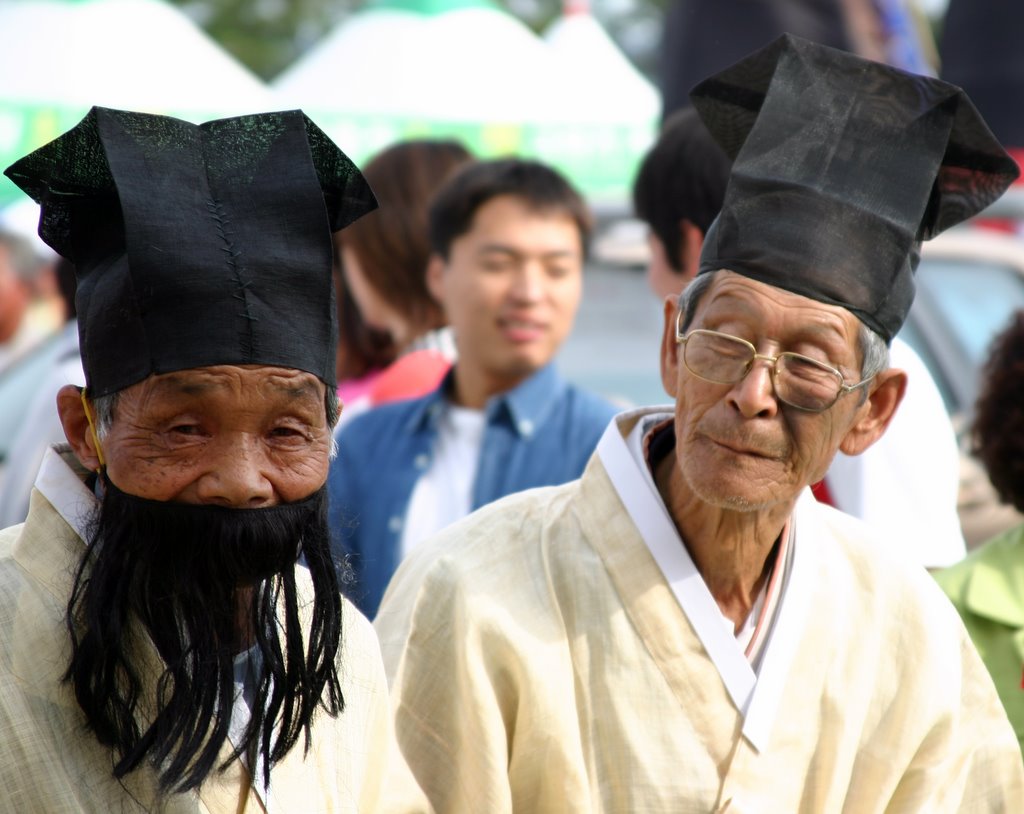
The structure, materials, and color schemes of traditional men’s Hanbok define it. Often designed with long sleeves and a crossover front to create an exquisite silhouette, the jeogori, or jacket, is a crucial component. Due to its traditional construction from airy materials, the jeogori is appropriate for Korea’s changing weather.
The baji, or pants, have a distinct cut that facilitates easy movement and are usually comfortable and loose-fitting. This sensible style is appropriate for both formal events and daily wear, reflecting the practical aspect of Hanbok. Usually fastened at the waist with a drawstring, the pants allow for customization based on personal comfort preferences.
Color is important in traditional Hanbok, with different colors and patterns having symbolic connotations. For example, the colors blue and green stand for hope, whereas black is the color of authority and power. Men’s hanbok frequently leans toward muted earth tones or somber colors, while lively colors are also welcomed for special occasions.
Men’s Hanbok’s textures and materials add to its appeal. The materials of choice historically have been silk, cotton, and hemp, which offer comfort and aesthetic appeal. Cotton may be associated with casual dress, while silk is associated with formal occasions and aristocracy. The choice of fabric can also convey information about the wearer’s social standing.
Completing the traditional style requires equal importance from accessories. Often fastened to the jeogori’s strings is a norigae, an ornamental necklace that represents good fortune. Headgear that further defines a wearer’s style and status, such as the gat (a traditional hat), is another popular accessory.
All things considered, the traditional men’s Hanbok is an exquisitely made piece of clothing that, in both its form and function, reflects Korean cultural values and craftsmanship.
Modern Reimaginings of Men’s Hanbok Fashions
Modern variations of Hanbok have arisen in response to the growing demand for the product, appealing to modern aesthetics and lifestyles. Designers are embracing the garment’s historical roots while innovating with cuts, colors, and patterns. A younger audience finds traditional Hanbok more appealing and approachable because to the integration of Western influences.
Contemporary designers frequently choose unusual materials, such denim or technological textiles, to create hybrid clothing that straddles the boundaries between formal and informal wear. For example, a traditional jeogori can look stylish and appropriate for everyday wear when worn with made pants or shorts.
Palettes for colors have also changed. Modern designs embrace vivid colors and whimsical patterns, while older Hanbok frequently favored subdued tones, making them aesthetically pleasing for occasions like fashion displays or art exhibitions. This change is indicative of a culture that values individualism and values personal expression over rigid tradition.
Hanbok is becoming a more regular part of wardrobes outside of formal events. Trendy people are observed fusing streetwear and Hanbok components to create a new look that appeals to South Korea’s youth culture. This trend demonstrates that Hanbok may be dressed for regular occasions as well as extraordinary ones.
Men’s Hanbok is becoming more and more fashionable in the world of fashion thanks to fashion exhibitions and partnerships between contemporary designers and traditional craftsmen. Hanbok-inspired ensembles are a common sight at events like Seoul Fashion Week, showing the garment’s adaptability and contemporary significance.
Men’s Hanbok interpretations of today essentially represent a dynamic blend of tradition and modernity, enabling the garment to flourish in a fast evolving fashion scene.
Hanbok’s Cultural Significance in Contemporary Korea
Hanbok is more than just clothes; in contemporary Korea, it is a cultural symbol that stands for pride in one’s ancestry and country. Worn during important occasions like Chuseok and the Lunar New Year (Seollal), the garment strengthens family ties and cultural traditions by uniting people in remembrance of their ancestors.
Beyond its practical applications, Hanbok has global significance as a visual embodiment of Korean identity. The South Korean pop culture, film, and technology are gaining global awareness, and one of the most potent symbols of that recognition is the Hanbok, which draws interest from both visitors and fashionistas.
The Korean government has taken steps to revive and preserve Hanbok customs in recent years, demonstrating its recognition of the value of supporting traditional culture. This cultural investment highlights the significance of Hanbok as an essential component of Korea’s intangible cultural heritage as well as a fashion accessory.
Further cementing Hanbok’s importance in Korean culture today is its growing integration into contemporary institutions such as companies and schools. Schools frequently encourage pupils to wear hanbok during traditional holidays or cultural events in order to promote pride in and respect for their history.
Young Koreans are expressing the beauty and variety of the Hanbok through their online experiences, thanks to the rise of social media. Hanbok is pertinent in the context of current social trends because of its online presence, which stimulates a resurgence of interest and admiration.
In the end, Hanbok represents the spirit of tenacity and continuity in Korean culture. It acts as a link between generations and a symbol of continuous cultural development, tying Korea’s modern identity to its colorful history.
Fashion Designers Bringing Men’s Hanbok Back to Life
A number of forward-thinking designers are committed to revitalizing and updating the men’s Hanbok art form in a world where quick fashion is becoming more and more prevalent. They aim to preserve the rich cultural tales associated with this traditional clothing while giving it a modern twist. In order to create works that speak to modern audiences, these designers frequently blend classic methods with contemporary aesthetics.
One well-known designer is Lee Seung Jin, who is renowned for his creative take on Hanbok. He respects the historic forms while incorporating lively colors and contemporary silhouettes, creating a new vision that appeals to younger customers. His ensembles frequently combine formal and informal elements, making Hanbok appropriate for a range of settings.
Kim Hong Bum, another well-known player in this renaissance, emphasizes sustainability in his designs. His emphasis on ethical and environmentally friendly processes and materials puts him in line with international fashion movements that support environmental responsibility. His collections seek to update old workmanship for the contemporary market while also preserving it.
Collaborations between modern designers and traditional craftspeople have also come to characterize the Hanbok renaissance. Through the combination of the knowledge and abilities of talented artisans with creative design ideas, these collaborations guarantee the preservation of the elaborate methods used in Hanbok manufacture while bringing in contemporary cuts and designs.
Men’s Hanbok fashion shows are turning into more and more platforms for designers to present their creations. Seoul Fashion Week and similar events give both renowned and up-and-coming designers a chance to reinvent Hanbok in a global setting. International markets have expressed interest in Hanbok as a result of this exposure, further enhancing its standing in the fashion sector.
To sum up, fashion designers are essential to the resuscitation and modernization of men’s Hanbok, turning it into a representation of Korean culture. Their dedication to both innovation and tradition sets the stage for this iconic garment to have a bright future.
Style Advice: How to Look Good in Men’s Hanbok Today
Today, dressing in men’s Hanbok means combining old world charm with newfound modernity. Selecting the appropriate jeogori is the first step towards achieving a stylish yet modest appearance. It should fit comfortably across the shoulders and permit ample movement. For a more contemporary fit, go for a made version; otherwise, reserve conventional cuts for formal settings.
The baji for pants should be loose but not extremely baggy. Fitted shirts and traditional pants can make a dramatic contrast that honors the Hanbok’s cultural history. If you want to keep traditional but add a modern touch, choose pants with a distinctive pattern or color.
Accessories are essential to finishing the outfit. Including a chic norigae might give the ensemble a splash of color and character. To add flair and a touch of refinement to your attire, you may also opt to wear a modern take on the gat or other classic headdresses.
Another great method to wear Hanbok in current fashion is by layering. For a more put together appearance, try layering your jeogori with a chic coat or blazer. This makes your ensemble appropriate for a range of events by adding warmth and nodding to current trends.
Traditional slippers, or beoseon, are still a timeless option for footwear, but for a more laid-back vibe, contemporary loafers or even simple sneakers can look great. This combination makes Hanbok wearable for a variety of occasions, from weddings to informal get-togethers. It also allows for style flexibility.
Lastly, don’t be afraid to play around with different designs and colors. Embracing the beauty of Hanbok while celebrating one’s own style is possible in today’s fashion world by combining vivid colors or striking patterns. In the end, men’s Hanbok fashion nowadays is about self-assurance and originality, enabling people to proudly display their cultural heritage in an elegant way.
Events and Festivals Honoring Hanbok Heritage
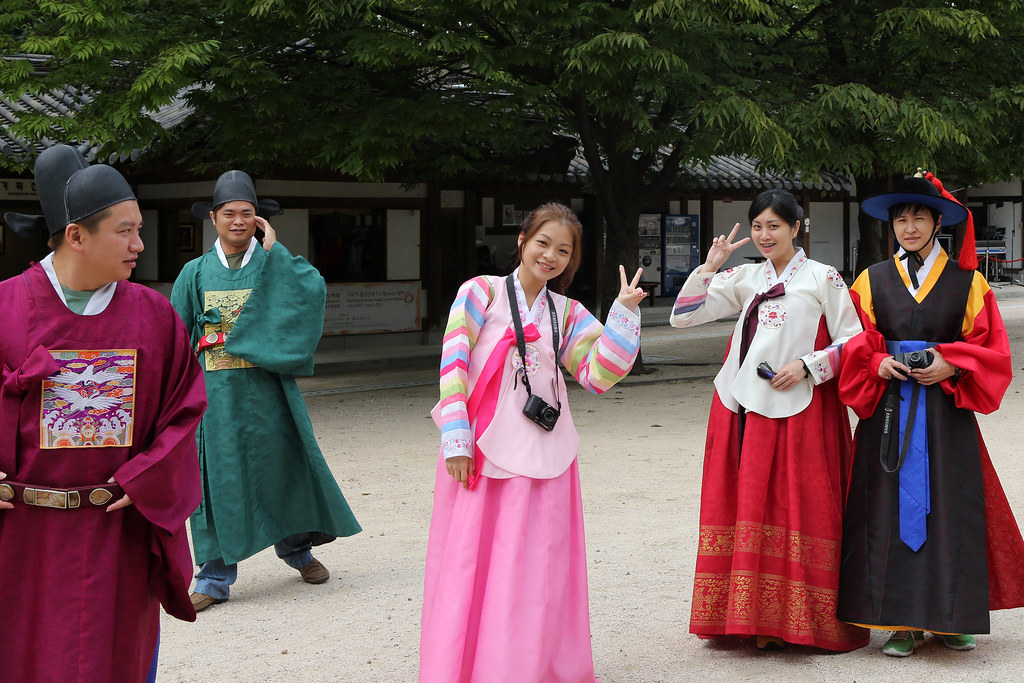
There are many festivals and activities held all throughout South Korea to honor the history and beauty of Hanbok. Hanbok Day, which falls on the sixteenth day of the tenth lunar month, is one of the most prominent. In addition to encouraging individuals to take part in traditional cultural events and wear their Hanbok, this festival also builds a sense of community and pride in Korean ancestry.
Another big event when Hanbok is essential is Seollal, or the Lunar New Year. Families gather together while wearing colorful Hanbok to perform rituals (sebbuje) in honor of their ancestors. Families dressed in traditional garb serve as a visual representation of the holiday’s rich cultural heritage and sense of community.
During Chuseok, the Korean harvest holiday, Hanbok usage also increases. People dress in their finest Hanbok around this time to honor their ancestors and enjoy the abundant harvest. The fact that so many cultural events and performances are planned and feature traditional food, dancing, and music while people are dressed in hanbok further emphasizes the significance of this cultural practice.
Cultural institutions frequently host special exhibitions and fashion events with a Hanbok theme in addition to these festivals. Attendees can learn about the history and workmanship of Hanbok in an interactive setting at events held at locations like the National Museum of Korea. These events frequently feature workshops and demonstrations by accomplished artisans.
The Seoul Hanbok Festival is another well-known occasion that attracts visitors from all around the nation. Parades, fashion exhibitions, and workshops on Hanbok-making are all part of this festival, which promotes a deeper understanding of the craftsmanship of the clothing. In order to combine contemporary celebration with historical context, attendees can even try on Hanbok while seeing historical locations.
These celebrations and festivals are essential in instilling in the next generation the value of Hanbok and guaranteeing the survival of this essential aspect of Korean culture in contemporary society.
Men’s Hanbok’s Global Appeal in Fashion Trends
Due in large part to the success of K-pop and Hallyu (the Korean wave), men’s hanbok has attracted interest from throughout the world. The updated Hanbok worn by fashion icons in the K-pop industry has encouraged people all over the world to adopt this traditional garment and incorporate it into their own outfits.
Designers who combine Eastern and Western aesthetics with Hanbok features have also been on display at international fashion events. This fusion raises the profile of Hanbok in international fashion by showing its adaptability and ability to connect with a wide range of consumers.
since individuals post their clothing and experiences on social media sites like Instagram and TikTok, men’s Hanbok has become more visible. Hanbok-related hashtags are popular, establishing a global digital platform for the appreciation of traditional clothing and confirming its continued significance in modern society.
Due to the popularity of Hanbok, multinational businesses and Korean designers have collaborated to further bridge cultural divides and increase the garment’s appeal worldwide. These collaborations demonstrate the successful adaptation of traditional clothing for contemporary fashion markets, catering to a wide range of consumer demographics.
the emergence of Hanbok-inspired components in international fashion trends is indicative of a rising acceptance of cultural variety. These trends honor the beauty and value of Korean history, whether through the incorporation of Hanbok designs into Western clothing or the adaption of Hanbok styles into ready-to-wear collections.
In the end, men’s Hanbok appeals to people everywhere because it shows how a traditional item of clothing can flourish in the rapidly evolving fashion industry, encouraging understanding and communication between cultures.
In summary, examining the history and aesthetic of men’s Hanbok reveals a multifaceted item of clothing that pays homage to the past while also keeping up with the latest styles. Hanbok has been a powerful emblem of Korean identity throughout history, from its distinctive characteristics and defining progression to its contemporary interpretations and widespread popularity. Hanbok is positioned to not only endure but also flourish as a monument to the rich mix of Korean heritage in the international arena, especially as designers continue to innovate and cultural festivals continue to blossom. Men’s Hanbok, whether dressed for formal events or casually, reminds us of the unbreakable bond that unites the past and present.