Six in the morning in Bundang. The high schooler in the third-floor apartment is already at her desk, half an hour before the school bus. Her mother sets a bowl of juk next to the pencil case and leaves the room.
A Korean student's day is not built for balance. It is built for the Suneung. The hours below track a typical junior in an academic-track high school. The pattern shows what discipline looks like when a whole household is aligned around a single exam.
Inter-school competition is fierce, with students often feeling the burden of outperforming their peers. The pressure to excel in grades is compounded by the need to maintain a strong academic record, which can lead to stress and anxiety. students are frequently compared against one another, building an environment where individual success is often measured by relative performance.
Despite the rigorous study habits, students often display remarkable resilience. Support systems, whether through friends or study groups, enable them to work through the strenuous demands of their education. However, this resilience comes at a cost, as the fear of failure and societal expectations loom large over their daily lives.
Group study sessions are common, as students gather in cafes or libraries to collaborate on complex subjects. This cooperative approach not only aids in learning but also creates a sense of camaraderie among students. Nevertheless, the pressure to succeed can overshadow the potential benefits of these social interactions.
While many students thrive in this environment, the system is not without its critics. Observers argue that the intense focus on academic performance stifles creativity and personal development. As students prioritize grades, they may neglect other aspects of life that cultivate well-rounded individuals.
In summary, the rigorous study habits of Korean high school students serve to prepare them for pivotal examinations and future success. Yet, they also raise questions about the balance between academic achievement and personal fulfillment, highlighting the complex relationship between education and well-being in contemporary Korea.
Early Mornings: The Start of a Long Day of Learning
A typical day for a Korean high school student begins long before sunrise. Students often wake up around 5 a.m. to prepare for the day ahead, starting with a quick breakfast that may include rice, vegetables, and kimchi. This early start sets the tone for a day filled with academic rigor and relentless study.
The morning routine usually includes a review of notes or study materials before heading to school. Students often commute long distances to attend schools with a reputation for academic excellence, adding to the time spent on education each day. Once they arrive at school, the formal learning begins, encompassing a wide array of subjects, including mathematics, science, literature, and foreign languages.
Classes are structured and intense, lasting from early morning until the late afternoon. Students pay careful attention to their teachers, taking extensive notes to ensure they grasp the material. Teachers employ various teaching methods, from lectures to group work, but the overarching goal remains focused on exam preparation.
Lunch is typically quick, allowing students to recharge before diving back into their afternoon classes. Many students utilize this time to discuss class material with peers, reinforcing their understanding through collaborative dialogue. The atmosphere in schools is studious, with an unspoken expectation that each student will maximize their learning potential.
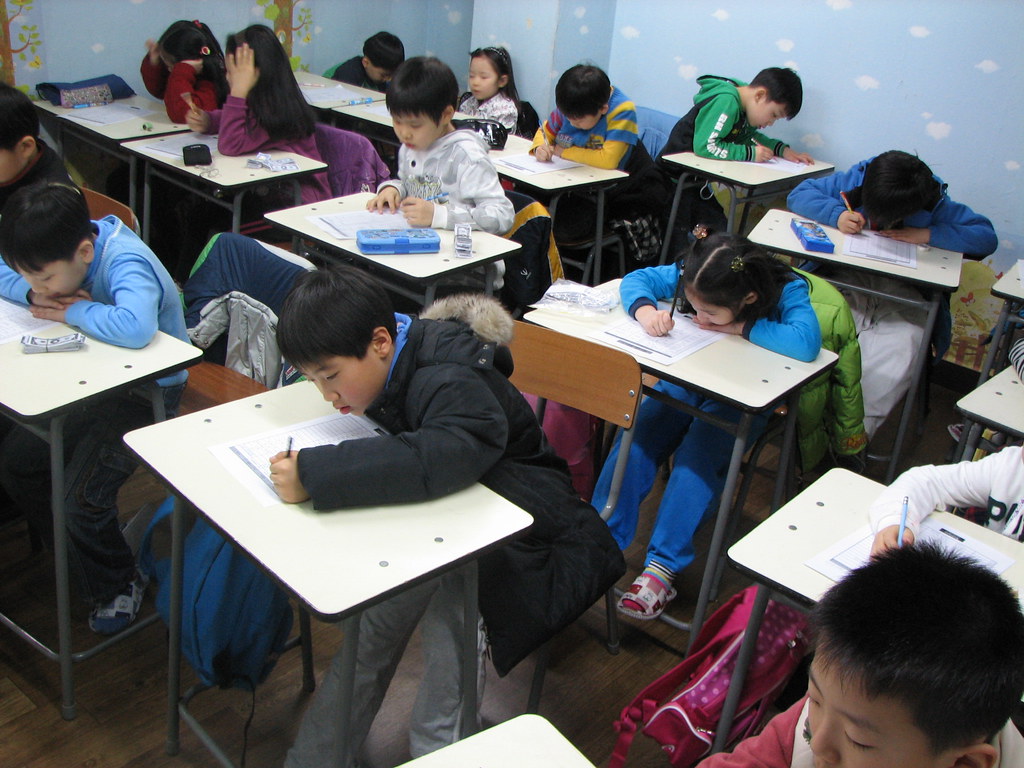
After the final bell of the school day, students are not free from academic commitments. Often, they transition directly into after-school study sessions or hagwon (private academy) classes. These additional hours of learning further extend their day, solidifying the perception that education is a constant pursuit in Korea.
Despite the long hours, many students remain motivated by their aspirations for higher education and career success. However, as the day stretches on, fatigue can set in, impacting their ability to focus. The early mornings, coupled with extensive study hours, create a cycle of exhaustion that students must work through.
Ultimately, early mornings mark the beginning of a long day of learning for Korean students. While this routine is designed to promote academic success, it also raises concerns about health, well-being, and the sustainability of such a demanding lifestyle.
A Glimpse into After-School Academies: The Hagwon Culture
As the school day concludes, the transition to after-school academies, known as hagwon, becomes a key component of a student’s education. These private institutions have proliferated across South Korea, catering to a wide array of subjects, including English language skills, mathematics, and exam preparation. For many students, attending hagwon is not an option but rather an expectation.
Hagwon operate during evenings and weekends, often offering flexible hours to accommodate students’ intense schedules. They are particularly popular among those preparing for the Suneung, with specialized programs designed to boost students’ chances of success. The competitive nature of these academies creates an environment where performance is closely monitored, with many students feeling the pressure to excel.
Enrollment in hagwon can be costly, prompting some families to invest significant portions of their income into their children’s education. This financial commitment underscores the cultural belief that educational achievement is a direct pathway to opportunities and prosperity. As a result, students often find themselves in a whirlwind of classes, juggling multiple subject areas per evening.
The instructors at hagwon are typically seasoned educators or university students, equipped with the skills to help students work through complex subject matter. Personalized attention is prevalent, as class sizes are generally smaller than those in public schools. This made approach allows students to address specific weaknesses, enhancing their overall comprehension.
Despite the emphasis on academic improvement, the hagwon culture is not without its drawbacks. Critics argue that the sheer volume of after-school instruction can lead to burnout and diminish students’ passion for learning. The relentless pursuit of grades and scores often overshadows the joy of education, leaving students exhausted and disengaged.
Additionally, the hagwon environment sometimes builds a sense of isolation, as students may forgo social activities to prioritize their studies. This trade-off can result in a skewed sense of balance, as many students struggle to find time for leisure or personal interests outside their academic obligations.
In conclusion, the hagwon culture exemplifies the lengths to which Korean students will go to achieve academic success. While these after-school academies provide invaluable support and focused learning, they also contribute to the overwhelming pressures faced by students, revealing the complexities of South Korea’s education system.
Balancing Academics and Extracurricular Activities Effectively
The pursuit of academic excellence in South Korea often comes at the expense of extracurricular activities, yet there exists a growing acknowledgment of the importance of a balanced lifestyle. Many educators and parents recognize that extracurricular involvement can build personal development, enhance teamwork skills, and relieve stress from the rigors of study.
Students are increasingly encouraged to participate in activities such as sports, music, and arts, which not only serve as a counterbalance to intensive academic schedules but also provide opportunities for personal expression. Schools offer a variety of clubs and teams, from basketball to orchestra, allowing students to explore their interests and talents outside of the classroom.
However, striking the right equilibrium remains a challenge. With the overwhelming pressure to excel academically, many students find it difficult to prioritize extracurricular activities. Often, those who do participate are compelled to squeeze these activities into an already packed schedule, leading to further fatigue and stress.
Some high schools have started to implement policies that promote a more holistic approach to education, recognizing the need for students to develop skills beyond academics. These initiatives encourage participation in community service, leadership programs, and cultural exchanges·experiences that contribute to students’ overall growth.
Parents play a crucial role in shaping their children’s perspectives on academics and extracurriculars. While some emphasize the importance of a well-rounded education, others may prioritize academic success above all. This disparity can create tension and confusion for students who wish to pursue their interests while meeting parental expectations.
technology has introduced new avenues for extracurricular engagement, allowing students to explore virtual clubs, online courses, and forums. This digital landscape has made it easier for students to connect with like-minded peers and broaden their horizons, even within the constraints of their demanding schedules.
As the dialogue around education evolves, there is hope for a shift toward a more balanced approach to student life in Korea. By valuing extracurricular activities alongside academic achievements, students may find pathways to personal fulfillment and reduce the pressures that often accompany their rigorous study regimens.
Ultimately, the challenge of balancing academics and extracurricular activities underscores the need for a cultural shift in how education is perceived in South Korea. By building an environment where both areas are valued, students can thrive holistically, paving the way for a more sustainable approach to education.

The Role of Parental Expectations in Students’ Success
In South Korea, parental expectations profoundly influence students’ educational journeys. The pressure to excel is often rooted in cultural beliefs that equate educational attainment with social status and financial security. Parents typically invest significant time and resources into their children’s education, creating high stakes for academic performance.
From an early age, children are taught the importance of diligent study habits. Many parents actively monitor their children’s progress, enrolling them in private tutoring sessions and after-school programs to ensure they are on track. This oversight can sometimes create an environment where students feel they must conform to their parents’ aspirations, rather than pursuing their own interests.
As students approach high school, these expectations intensify, particularly with respect to the Suneung. Families often discuss the implications of the exam extensively, heightening students’ awareness of the exam’s importance. Many parents believe that attending prestigious universities is the best path to success, instilling a sense of urgency and competition that permeates the academic landscape.
However, this pressure can have detrimental effects on students’ mental health. The fear of disappointing their parents often manifests in anxiety and stress, leading to a cycle of overwork and exhaustion. Many students internalize these expectations, leading some to struggle with feelings of inadequacy and self-doubt.
Nevertheless, not all parental involvement is detrimental. Supportive parents can build resilience in their children by encouraging them to pursue their passions while maintaining a balanced approach to education. Open communication can cultivate an environment where students feel comfortable discussing their struggles and aspirations, leading to a healthier relationship with learning.
As families work through the complexities of educational aspirations, the rise of alternative educational philosophies has also begun to change the landscape. Some parents are increasingly advocating for a more child-centered approach, recognizing that emotional well-being is crucial for long-term success.
In conclusion, parental expectations play an undeniable role in shaping the academic experiences of students in Korea. While high expectations can spur motivation and achievement, they can also lead to significant mental health challenges. Striking a balance between aspirations and support is essential for nurturing the next generation of learners.
Technology and Its Impact on Study Methods in Korea
In recent years, technology has become an integral part of the educational landscape in South Korea. The rapid advancement of digital tools and online resources has transformed traditional study methods, providing students with new avenues for learning and collaboration. With South Korea’s strong emphasis on technology, students are increasingly useing these tools to enhance their educational experiences.
Online platforms and education applications have gained popularity, allowing students to access a wealth of information and resources at their fingertips. Virtual classrooms, online lectures, and educational videos provide diverse learning formats that cater to different learning styles, enabling students to tailor their study experiences.
Mobile technology has also facilitated communication among students, allowing for real-time collaboration on group projects and study sessions. Messaging apps and social media platforms serve as venues for discussing class materials, sharing resources, and organizing study groups, reinforcing the sense of community among peers.
students can utilize online test preparation resources to practice exam questions and simulate test conditions. This proactive approach allows them to identify areas of improvement and develop targeted study plans ahead of critical assessments. The flexibility of online learning means that students can study at their own pace, accommodating their busy schedules.
However, the increased reliance on technology also raises concerns related to distractions and information overload. The vast array of available resources can sometimes overwhelm students, leading to difficulties in discerning credible information from less reliable sources. Additionally, the temptation of social media can detract from focused study time, further complicating their academic endeavors.
Educational institutions have begun to adapt to these technological advancements, incorporating digital tools into their curricula. Teachers increasingly utilize multimedia presentations and interactive resources to engage students and make learning more dynamic. This shift aims to build a more interactive and enjoyable learning environment.
the COVID-19 pandemic accelerated the integration of technology into education, as remote learning became a necessity. Schools and students alike were compelled to adapt to virtual classrooms, highlighting both the benefits and challenges of relying on technology for learning. As in-person classes resumed, many institutions have continued to incorporate digital tools, emphasizing a blended learning approach.
In conclusion, technology has significantly impacted study methods in South Korea, offering both opportunities and challenges for students. While it has enhanced accessibility and collaboration, it also necessitates a critical approach to information consumption and time management. The continued evolution of technology in education promises to shape the future of learning in Korea.

Mental Health Challenges Faced by Korean Students Today
The intense academic pressure faced by Korean students has led to an alarming rise in mental health challenges. Studies indicate that South Korean students experience higher rates of anxiety, depression, and stress-related disorders compared to their peers in other countries. This situation underscores the urgent need for a full understanding of mental health in the context of education.
One of the primary contributors to these challenges is the prevailing culture of achievement that permeates Korean society. The relentless pursuit of academic excellence often results in students sacrificing their mental and emotional well-being. The fear of failure looms large, exacerbating feelings of inadequacy and self-doubt among students.
Additionally, the stigma surrounding mental health issues in South Korea can deter students from seeking help. Many fear that admitting to mental health struggles may tarnish their reputations or compromise their academic standing. Consequently, many students suffer in silence, unable to access the support and resources they need to cope with their challenges.
Educational institutions have begun to recognize the importance of addressing mental health, with some schools implementing counseling services and mental health awareness programs. These initiatives aim to create safe spaces for students to discuss their concerns and seek help. However, the availability of such services varies widely across schools, leaving some students without adequate support.
Parents also play a crucial role in shaping their children’s perceptions of mental health. Open dialogues about emotional well-being can empower students to prioritize their mental health alongside their academic pursuits. However, many parents may inadvertently contribute to the pressure by maintaining high expectations without considering their child’s mental state.
The COVID-19 pandemic has further magnified mental health challenges for students. The disruption of routines, social isolation, and uncertainty surrounding the future have all taken a toll on students’ mental well-being. In response, mental health organizations have stepped up efforts to provide online resources and support, recognizing the unique challenges posed by the pandemic.
As conversations about mental health continue to evolve in South Korea, there is hope for a shift in societal attitudes. Increasingly, students are advocating for their mental health needs, pushing for changes in the educational system that prioritize well-being alongside academic achievement.
In conclusion, the mental health challenges faced by Korean students are a pressing concern that warrants attention and action. By building open discussions about mental health and providing adequate support, families, schools, and society can work together to create a healthier educational environment for students.
The Future of Education: Trends in Korean Study Practices
As South Korea continues to evolve in its approach to education, emerging trends signal a shift towards more holistic and innovative study practices. These changes reflect a growing recognition of the need to balance academic rigor with personal development, mental health, and adaptability to a rapidly changing world.
One key trend is the increasing emphasis on creativity and critical thinking within the curriculum. Educational leaders are advocating for teaching methods that prioritize problem-solving skills and innovative thinking over rote memorization. This shift aims to prepare students for a future where adaptability and creativity are essential in the workforce.
there is a growing movement toward personalized learning. Recognizing that students have unique strengths and weaknesses, many educators are exploring ways to tailor instruction to individual needs. This approach allows students to progress at their own pace and engage with subjects that interest them, building a love for learning.
The integration of technology in education will likely continue to expand, with educators embracing blended learning models that combine in-person instruction with online resources. This flexibility not only accommodates diverse learning styles but also prepares students for a future where digital literacy is paramount.
Additionally, the importance of social-emotional learning (SEL) is gaining traction in South Korean education. Schools are increasingly recognizing that emotional intelligence is just as critical as academic achievement. Programs focused on developing empathy, resilience, and interpersonal skills are becoming integral parts of the curriculum, building well-rounded individuals.
the concept of lifelong learning is being promoted, encouraging students to view education as an ongoing journey rather than a finite process. With rapid technological advancements and shifting job markets, the ability to adapt and learn continuously is becoming increasingly vital for success.
Parents are also embracing these changes, with a growing number advocating for educational models that prioritize well-being and personal growth. This evolving mindset reflects a cultural shift where students are encouraged to pursue interests beyond academics, building a more balanced approach to education.
In conclusion, the future of education in South Korea is poised for transformation, marked by a focus on creativity, adaptability, and personal well-being. As these trends take root, there is potential for a more equitable and sustainable educational landscape that prepares students for success in an ever-changing world.
In summary, the daily study regimen of Korean students is a complex fabric woven from cultural expectations, rigorous academic demands, and individual aspirations. While the pursuit of excellence is commendable, it is vital to consider the broader implications for students’ mental health and holistic development. As South Korea works through the future of education, the ongoing dialogue surrounding these issues will be crucial in shaping a system that values both academic achievement and personal well-being. The evolution of educational practices and societal attitudes presents an opportunity to redefine success in ways that empower and uplift the next generation.