A linen wrap dress in soft indigo lay across the fitting-room bench, a small jade 노리개 resting on the collar where it had been pinned for the try-on. The customer picked up the norigae first, turned it in her hand, and asked what it was for. Eric explained. She tied it to the goreum herself, walked to the mirror, and understood before he had finished the sentence.
The hanbok wrap dress is the modern piece that carries the tradition most quietly. Its silhouette is direct: a crossed bodice, a soft goreum, a chima that falls in one continuous line from the empire seam. Pair it with a norigae and the dress becomes ceremonial. Leave the norigae in the drawer and the same dress goes to a Bay Area dinner. This entry looks at the wrap dress, the norigae, and the small ways they change each other.
During the 18th and 19th centuries, the hanbok underwent various transformations, influenced by both internal changes and external interactions with neighboring countries. The wrap dress became a canvas for showing the wearer’s social status, as decoration and fabric quality varied widely. Contemporary interpretations, while maintaining traditional elements, reflect this ongoing evolution, and the wrap dress remains a staple in various cultural ceremonies today.
In modern South Korea, the hanbok wrap dress has regained popularity as a symbol of national pride, especially during major holidays such as Chuseok and Seollal. The revival of interest in traditional attire among younger generations highlights its historical significance and cultural relevance, promoting a greater understanding of Korea’s rich heritage.
The hanbok wrap dress also serves as a cultural ambassador, representing Korea on the global stage. As traditional clothing is showed in international fashion weeks and cultural events, its historical roots and contemporary relevance continue to fascinate audiences worldwide. This intersection of past and present signifies the enduring legacy of the hanbok and its wrap dress in the heart of Korean culture.
Thus, the exploration of hanbok wrap dresses is not merely an examination of fashion; it reveals a mix of history, social dynamics, and cultural identity that remains brightly relevant in today’s society.
Understanding the Craftsmanship Behind Hanbok Design Elements
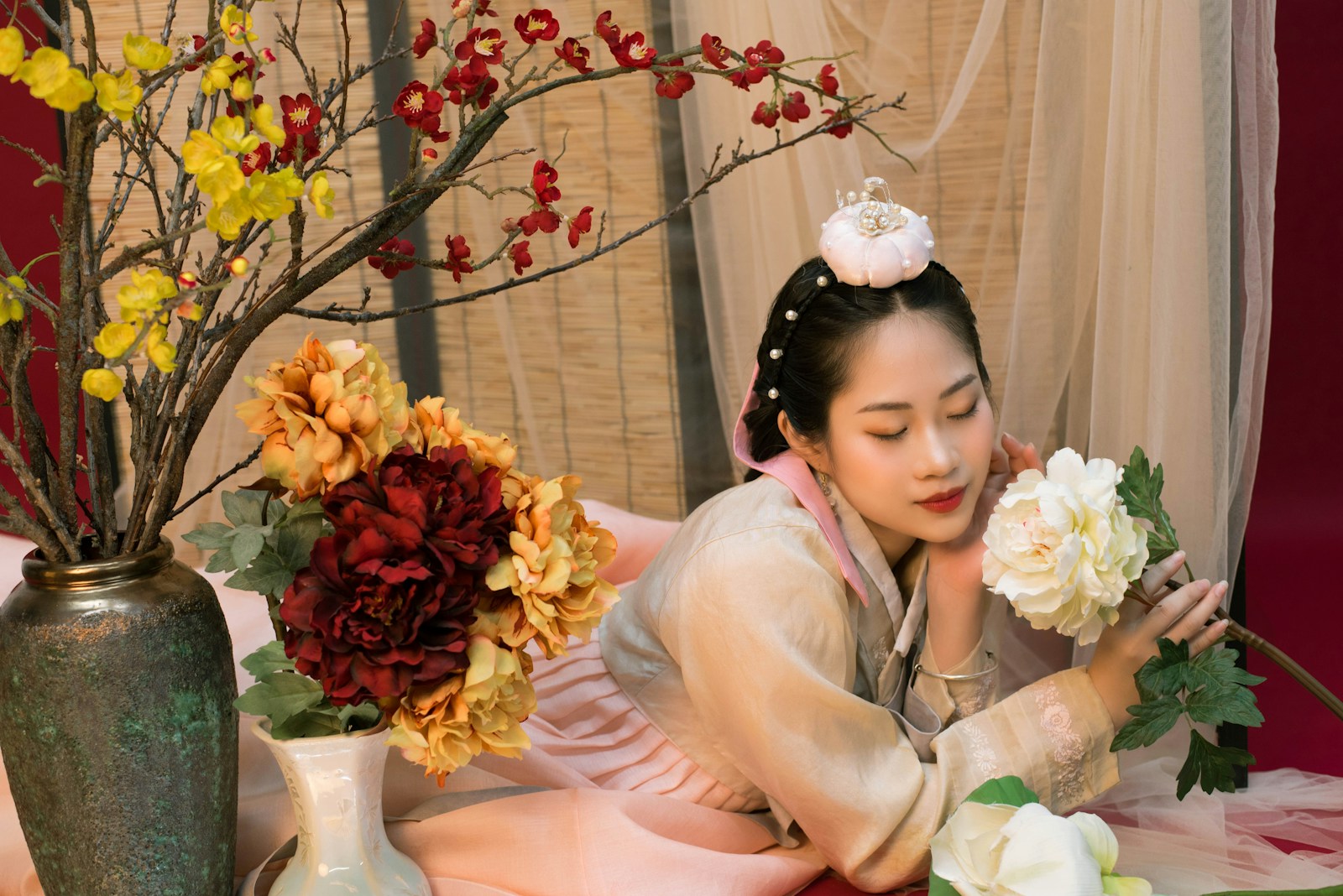
The craftsmanship that goes into creating a hanbok wrap dress is a careful process that combines skill, tradition, and artistry. The fabric, often silk or cotton, is chosen not only for its quality but also for its drape and color. Artisans specialize in selecting colors that harmonize with the seasons, ensuring that each dress reflects a specific mood or occasion. The careful selection of materials and patterns lays the foundation for a garment that is as comfortable as it is beautiful.
One of the defining features of the hanbok is its layered structure. A typical wrap dress includes a jeogori (jacket) and chima (skirt), with the latter often being voluminous and flowing. The construction of these components requires considerable expertise, as they must be made to fit the body comfortably while allowing for movement. The artistry in the sewing process is evident in the precision of the seams and the careful alignment of patterns, which can include traditional motifs like flowers, clouds, and geometric shapes.
The use of color symbolism in hanbok design is rooted in Korean culture. Each color carries its own meaning; for example, red signifies luck and joy, while blue represents hope and peace. This intentional use of color is a testament to the thoughtfulness that goes into crafting a hanbok wrap dress. Designers often incorporate these meanings into their creations, reflecting the cultural narratives that have been passed down through generations.
Embroidery is another critical aspect of hanbok craftsmanship, with many dresses featuring detailed designs that enhance their beauty. Skilled artisans employ various techniques, such as silk thread embroidery and beadwork, to create stunning visual effects. These embellishments not only enhance the garment’s appeal but also tell stories of nature, mythology, and folklore, enriching the overall experience of wearing a hanbok.
In recent years, there has been a resurgence of interest in traditional Korean crafts, leading to a revival of hanbok-making techniques. Many contemporary designers are reconnecting with these age-old practices, blending modern aesthetics with traditional craftsmanship. This fusion creates unique garments that resonate with both local and global audiences, ensuring that the artistry behind hanbok design remains lively and relevant.
Ultimately, the craftsmanship of hanbok wrap dresses is a celebration of Korean culture and artistry, where each garment is a work of art that embodies the rich history and skilled techniques of its makers.
The Aesthetic Appeal of Norigae: More Than Just Accessories
Norigae, a traditional Korean ornament often attached to the strings of the hanbok, enhances the aesthetic appeal of the wrap dress while serving symbolic purposes. These decorative pendants are crafted from materials such as silk, jade, and wood, showing exquisite craftsmanship and detailed designs. The norigae is not merely an accessory; it embodies cultural significance, blending beauty with meaning.
Historically, norigae were adorned with various motifs, each carrying its own symbolism. Common themes include representations of good fortune, prosperity, and fertility. The intricacy of these designs, often featuring animals, flowers, and geometric patterns, reflects the artistic sensibilities of the time. As such, norigae are more than just decorative ornaments; they serve as talismans, conveying wishes for the wearer’s happiness and success.
The placement of the norigae is also significant. Traditionally, it hangs from the waist, where it can sway gracefully with the wearer’s movements, adding a dynamic element to the overall look. This interplay of movement and design is what makes the norigae so enchanting; it draws attention and invites curiosity, encouraging observers to appreciate the history and craftsmanship behind it.
In contemporary fashion, the norigae has evolved, with some designers creating modern interpretations that challenge traditional aesthetics. While they still embody cultural symbolism, modern norigae may incorporate contemporary materials and designs, appealing to a younger audience while honoring the original concept. This adaptability has allowed norigae to remain relevant in today’s fashion landscape.
The increasing popularity of norigae has also sparked interest beyond traditional settings. Fashion designers are incorporating these elements into modern clothing, accessories, and even jewelry, making them accessible to a broader audience. This fusion of tradition and modernity showes the versatility of norigae, proving that they can complement a variety of styles while retaining their cultural significance.
Thus, the norigae serves as a beautiful reminder of Korea’s rich cultural heritage, intertwining aesthetics with meaning and ensuring that this tradition continues to thrive in both traditional and contemporary contexts.
Modern Interpretations: Hanbok Wrap Dresses in Contemporary Fashion
The hanbok wrap dress has transcended its traditional roots to become a fashionable choice in modern wardrobes. Designers are reimagining this classic attire, blending traditional elements with contemporary styles to create garments that resonate with today’s fashion sensibilities. This fusion showes the adaptability of hanbok while preserving its cultural essence.
Fashion weeks and international runways have increasingly featured hanbok-inspired designs, demonstrating the global appeal of this traditional attire. Designers are experimenting with cuts, fabrics, and colors, resulting in innovative interpretations that maintain the spirit of the hanbok while catering to modern tastes. From minimalist silhouettes to bold, avant-garde approaches, the hanbok wrap dress is making a statement in contemporary fashion.
One notable trend is the use of hybrid styles that merge hanbok with Western fashion elements. For instance, incorporating hanbok skirts into casual outfits or adding jeogori-inspired jackets to contemporary looks creates a unique blend of cultures. This cross-pollination of styles not only raisees the hanbok’s status in global fashion but also encourages cultural exchange and appreciation.
Social media platforms have played a vital role in promoting modern interpretations of hanbok wrap dresses. Influencers and fashion enthusiasts are showing their unique takes on traditional attire, inspiring a new generation to embrace and celebrate their heritage. This online visibility has contributed to the resurgence of interest in hanbok, encouraging more individuals to incorporate these beautiful garments into their daily lives.
the rise of sustainable fashion has led to an increased focus on traditional craftsmanship and artisanal techniques. Many contemporary designers are committed to ethical practices, sourcing materials responsibly and supporting local artisans. This alignment with sustainability principles has breathed new life into hanbok-making, building a deeper appreciation for the artistry and cultural significance behind each piece.
In summary, the modern interpretations of hanbok wrap dresses not only honor the traditional roots but also reflect the dynamic nature of fashion. As this iconic attire continues to evolve, it remains a powerful symbol of cultural identity and creativity, bridging the gap between past and present.
Cultural Symbolism: The Role of Colors and Patterns in Hanbok
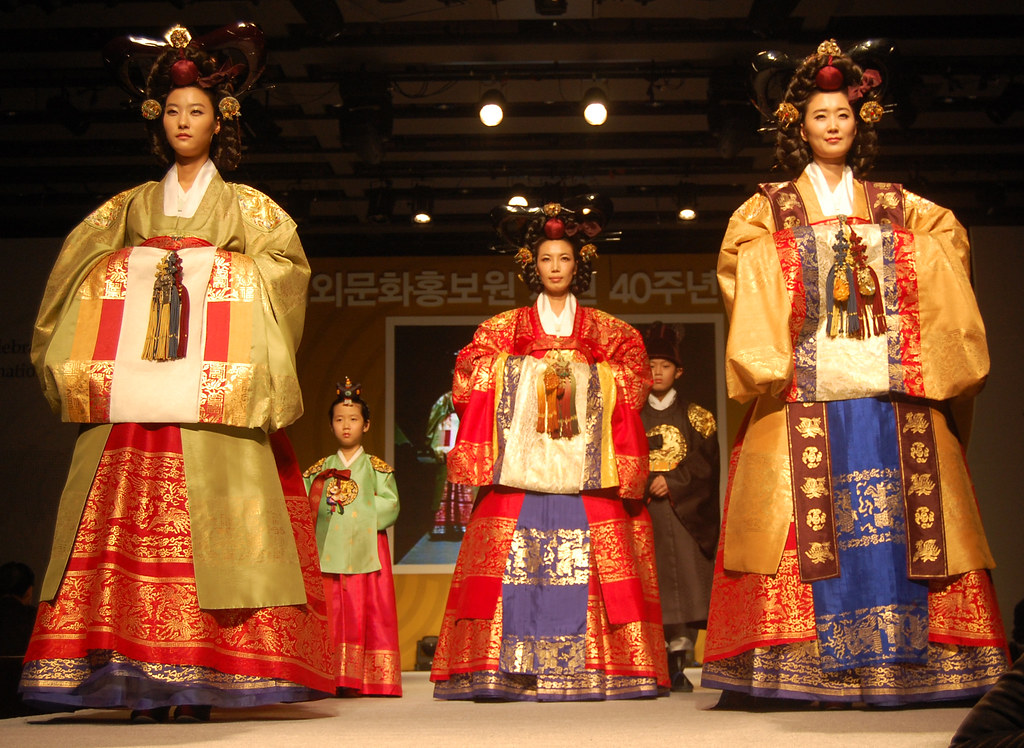
The hanbok wrap dress is imbued with cultural symbolism, particularly through its use of colors and patterns. Each hue holds a specific meaning, often derived from ancient beliefs and customs. For instance, red symbolizes joy and good fortune, while blue represents tranquility and hope. This thoughtful use of color reflects the deeper values and aspirations of the Korean people, making the hanbok more than just a garment.
Patterns and motifs on hanbok are equally significant, often drawing inspiration from nature, folklore, and historical narratives. Common designs include flowers, birds, and geometric shapes, each carrying its own symbolic meaning. For example, the lotus flower represents purity and enlightenment, while the crane symbolizes longevity and good luck. These motifs are not merely decorative; they tell stories that connect the wearer to their cultural heritage.
The choice of colors and patterns can also reflect the wearer’s personal circumstances and life stages. For instance, different shades may be worn at weddings, celebrations, or mourning rituals, indicating the subtle relationship between attire and emotion. This adaptability is a hallmark of the hanbok, allowing wearers to express their identity and feelings through their clothing.
In contemporary fashion, designers are revisiting these traditional symbols, often experimenting with color palettes and patterns to create unique interpretations. The blending of modern aesthetics with traditional motifs allows for a fresh take on the hanbok while maintaining its cultural significance. This trend speaks to the evolving nature of fashion and the importance of cultural storytelling.
The revival of interest in hanbok colors and patterns has also prompted broader discussions about cultural identity and representation. As more individuals embrace these traditional elements in their wardrobes, there is a growing appreciation for the stories and meanings behind each garment. This cultural exchange enriches the fashion narrative, building a deeper understanding of Korean heritage.
Ultimately, the colors and patterns of hanbok wrap dresses serve as a visual language, communicating values, stories, and emotions that resonate with both the wearer and the observer. This detailed relationship between design and meaning highlights the enduring relevance of hanbok in contemporary culture.
How to Style Hanbok Wrap Dresses for Different Occasions
Styling a hanbok wrap dress can vary significantly depending on the occasion, allowing wearers to express themselves while embracing tradition. For formal events such as weddings or celebrations, opting for richly colored fabrics with detailed patterns can raisee the overall look. Accessorizing with a beautifully crafted norigae and statement jewelry can enhance elegance, ensuring that the outfit stands out while remaining true to its roots.
For a casual outing, consider a more simplified version of the hanbok wrap dress. Lightweight fabrics in softer colors can create a relaxed yet stylish appearance. Pairing the dress with modern footwear, such as chic sandals or sneakers, can balance tradition with contemporary flair, making it suitable for everyday wear. This versatility allows the hanbok to smoothly transition into various settings.
In recent years, hanbok wrap dresses have become popular choices for cultural festivals and events. To make a statement at such gatherings, consider layering with a stylish jeogori or adding bold accessories, such as a statement bag or oversized earrings. This combination celebrates the cultural heritage of the hanbok while allowing for personal expression through modern styling choices.
For business or professional settings, a hanbok wrap dress can be made for a sophisticated look. Opt for muted colors and minimalist patterns that convey professionalism while maintaining the elegance of the garment. Pairing the dress with made outerwear and classic heels can create a polished appearance, demonstrating that traditional attire can be appropriate for contemporary workplaces.
When attending festive occasions like Chuseok or Seollal, incorporating family heirlooms or hand-me-down norigae can add a personal touch to the outfit. This practice not only honors family traditions but also builds a sense of connection to one’s heritage. Additionally, dressing children in matching hanbok can create family cohesion and shared cultural pride during such celebrations.
Ultimately, styling hanbok wrap dresses for different occasions offers endless possibilities for creativity and personal expression. By blending traditional elements with modern aesthetics, wearers can work through various social settings while celebrating the rich cultural significance of the hanbok.
The exploration of hanbok wrap dresses and norigae unveils a captivating journey through Korea’s rich cultural history, artistic craftsmanship, and evolving fashion landscape. From their historical significance and detailed design elements to the modern interpretations and styling versatility, these traditional garments and accessories continue to resonate with both Korean identity and global fashion. As society embraces the fusion of tradition and contemporary trends, the hanbok wrap dress stands as a testament to the enduring beauty and relevance of Korea’s cultural heritage, inviting future generations to cherish and celebrate this unique legacy.