
Korean street food is what you eat between meetings. Tteokbokki at four in the afternoon when the sun has gone soft. Hotteok pulled hot from a flat iron in November. Eomuk skewers and a paper cup of broth on a January night when the cold has settled in.
The vendors set up on the sidewalk and the line forms because the smell carries half a block. Myeongdong has the famous stretch but every neighborhood in Seoul keeps its own. Insadong’s traditional sweets. Gwangjang’s mung bean pancakes. The covered alleys of Namdaemun where the dumplings are folded by hand.
Street food in Korea is rooted in the country’s history and culture. It began as a necessity for the working class, providing quick, affordable meals to laborers and travelers. Over time, it has evolved into a beloved culinary phenomenon that attracts locals and tourists alike. The enduring popularity of these dishes is a testament to their deliciousness and the communal spirit they build.
Korean street food is also a reflection of the country’s adaptability and creativity. Vendors continuously innovate, introducing new twists on classic recipes and incorporating contemporary ingredients to appeal to modern tastes. This dynamic nature ensures that there’s always something new to discover, whether you’re a first-time visitor or a seasoned traveler.
History and Evolution of Korean Street Food
The history of Korean street food is intertwined with the country’s cultural and economic development. Street food in Korea dates back centuries, with its origins rooted in the busy markets and traditional festivals where vendors would sell simple yet delicious snacks to passersby. Initially, these vendors catered to the working class and travelers looking for quick, affordable meals.
During the Joseon Dynasty (1392-1910), street food began to gain popularity as markets expanded and urban areas grew. Traditional Korean markets, known as “jangteo,” became hubs of commerce and social interaction, where food stalls offered a variety of treats like hotteok (sweet pancakes) and gimbap (Korean sushi rolls). These markets played a significant role in the cultural and social fabric of Korean society.
The evolution of Korean street food took a significant turn during the Korean War (1950-1953). The post-war economic hardship led to the proliferation of street vendors selling inexpensive, filling foods to meet the needs of the struggling population. Dishes like tteokbokki (spicy rice cakes) and odeng (fish cake skewers) became staples during this time, providing affordable nourishment to many.
As Korea’s economy grew in the 1970s and 1980s, street food began to reflect the country’s increasing affluence and culinary creativity. Vendors started experimenting with new ingredients and flavors, leading to the diverse array of street foods available today. The introduction of electric griddles and other modern cooking equipment also transformed the street food scene, allowing for faster and more efficient food preparation.
In recent years, Korean street food has gained international recognition, thanks to the global popularity of Korean pop culture, including K-pop and K-dramas. Tourists from around the world flock to Korea to experience its lively street food culture, making it an essential part of the country’s tourism industry.
Today, Korean street food continues to evolve, blending traditional recipes with contemporary twists. Food trucks and pop-up stalls offer innovative takes on classic dishes, while traditional markets like Gwangjang Market and Myeongdong Street Food Alley remain popular destinations for both locals and tourists. The enduring appeal of Korean street food lies in its ability to adapt and innovate while staying true to its cultural roots, offering a unique and delicious glimpse into Korea’s rich culinary heritage.
Must-Try Korean Street Foods
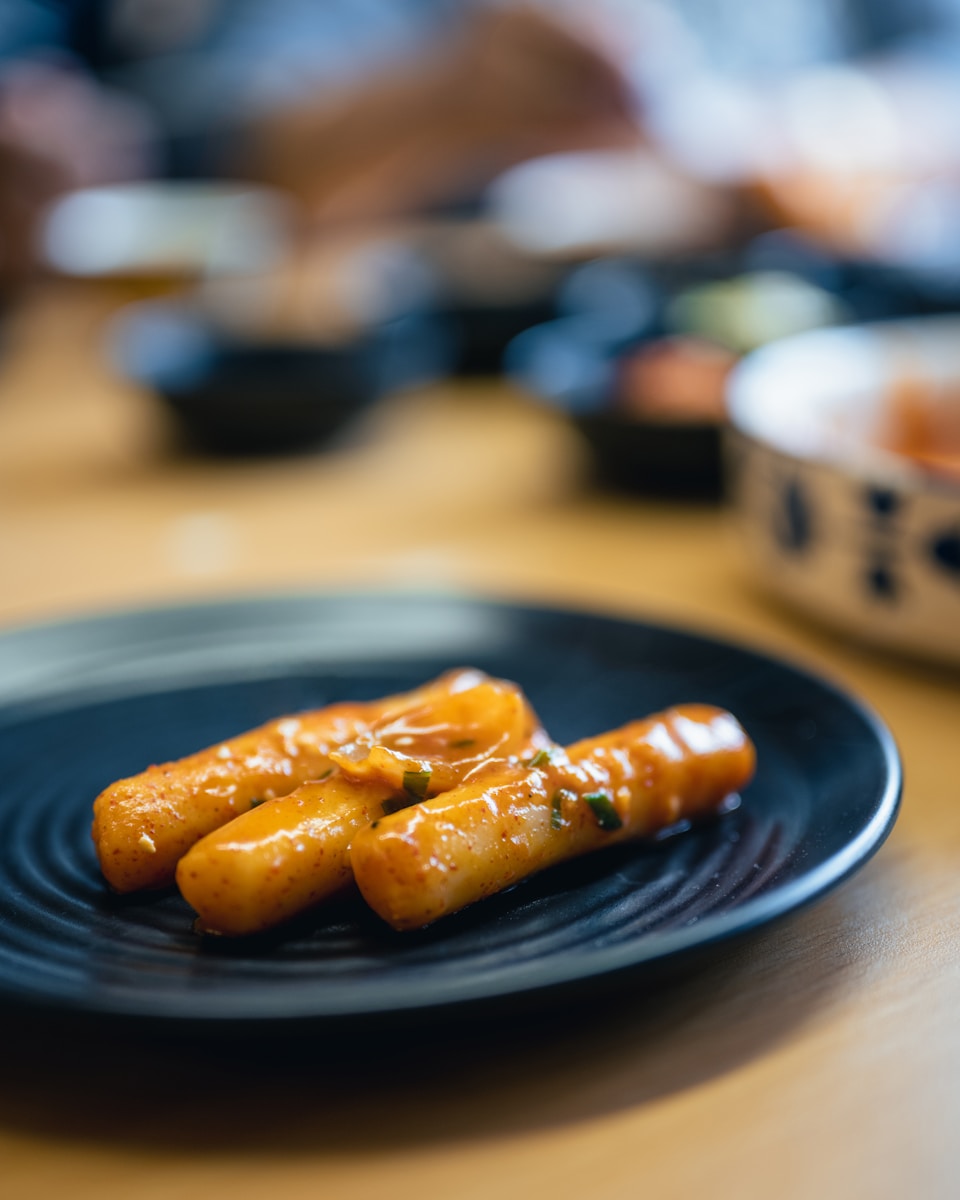
1. Tteokbokki (Spicy Rice Cakes)
Tteokbokki is one of the most iconic Korean street foods, known for its chewy rice cakes drenched in a spicy, sweet, and savory gochujang (Korean chili paste) sauce. This dish often includes fish cakes, boiled eggs, and scallions, creating a harmonious blend of textures and flavors. Variations of tteokbokki can include cheese, ramen noodles, and even seafood, adding a unique twist to the traditional recipe. The best tteokbokki can be found in busy street markets like Sindang-dong Tteokbokki Town in Seoul, where vendors have perfected their recipes over decades.
2. Hotteok (Sweet Pancakes)
Hotteok is a popular winter street food in Korea, offering a delightful combination of crispy and chewy textures. These pancakes are typically filled with a sweet mixture of brown sugar, honey, chopped peanuts, and cinnamon, which caramelizes as they cook on a griddle. Some variations include fillings like green tea paste or savory options with vegetables and cheese. Hotteok stalls can be found in almost every market and street corner, with some of the best located in Insadong, a neighborhood known for its traditional food and cultural atmosphere.
3. Gimbap (Korean Sushi Rolls)
Gimbap, often referred to as Korean sushi, is a versatile and portable street food that consists of steamed rice and various fillings rolled in seaweed. Common fillings include spinach, pickled radish, carrots, and a choice of protein such as beef, tuna, or egg. The roll is typically brushed with sesame oil and sprinkled with sesame seeds for added flavor. Variations like cheese gimbap, spicy tuna gimbap, and kimchi gimbap showe the dish’s adaptability. Gimbap is widely available in street food stalls and convenience stores, with notable spots including Gwangjang Market and Myeongdong.
4. Eomuk (Fish Cake)
Eomuk, or fish cake, is a beloved Korean street food often enjoyed on skewers. Made from ground fish mixed with flour and vegetables, these fish cakes are boiled in a savory broth, making them a comforting snack, especially during colder months. The broth, typically flavored with radish, kelp, and green onions, adds depth to the eomuk’s mild flavor. Eomuk stalls are ubiquitous in markets and street corners, with some of the most famous found in Busan’s Bupyeong Kkangtong Market, known for its variety of fish cake options.
5. Bungeoppang (Fish-shaped Pastry)
Bungeoppang is a delightful fish-shaped pastry filled with sweet red bean paste, a popular treat during the winter season. The pastry is crispy on the outside and soft on the inside, with a filling that can also include custard, chocolate, or even cheese for a modern twist. The name “bungeoppang” translates to “carp bread,” reflecting its distinctive shape. These pastries are typically sold by street vendors using cast-iron molds, with hotspots like Namdaemun Market offering some of the best versions.
6. Sundae (Korean Blood Sausage)
Sundae is a traditional Korean blood sausage made by stuffing pig’s intestines with a mixture of sweet potato noodles, barley, and pig’s blood. It is often served with a side of salt or a spicy dipping sauce. Variations of sundae can include different fillings like rice or vegetables, depending on regional preferences. This dish is a favorite in street markets and food alleys, with the Sundae Town in Sillim-dong, Seoul, being particularly famous for its sundae offerings.
7. Twigim (Korean Tempura)
Twigim refers to a variety of battered and deep-fried snacks, similar to Japanese tempura. Popular twigim items include shrimp, vegetables, and boiled eggs. These crispy delights are often served with tteokbokki sauce for dipping, creating a satisfying combination of textures and flavors. Twigim stalls are a staple in street markets like Gwangjang Market, where you can enjoy freshly fried snacks prepared right before your eyes.
8. Odeng (Fish Cake Skewers)
Odeng, or fish cake skewers, are a popular street food that provides a quick and savory snack. These fish cakes are often served in a hot broth, similar to eomuk, and are perfect for warming up on a chilly day. The skewers are typically found in street food stalls and markets, with some of the best options available in Busan, a city renowned for its seafood and street food culture.
9. Pajeon (Korean Pancake)
Pajeon is a savory pancake made with green onions, seafood, and a batter of flour and eggs. It is often enjoyed with a dipping sauce made from soy sauce, vinegar, and chili peppers. Variations of pajeon can include ingredients like kimchi (kimchijeon) or mung beans (bindaetteok), each offering a unique flavor profile. Pajeon is commonly found in traditional markets and street food alleys, with Gwangjang Market being a top spot to enjoy this dish.
10. Dakgangjeong (Sweet and Crispy Chicken)
Dakgangjeong is a popular street food consisting of bite-sized pieces of chicken that are double-fried for extra crunch and then coated in a sweet and sticky sauce made from soy sauce, garlic, and sugar. This dish is often garnished with sesame seeds and peanuts, adding a delightful texture and flavor. Dakgangjeong is widely available in street markets and food trucks, with the night markets of Dongdaemun offering some of the best versions of this sweet and savory treat.
Each of these dishes offers a unique glimpse into Korea’s rich street food culture, providing a delicious adventure for any food enthusiast.
Famous Streetfood Corners in Korea
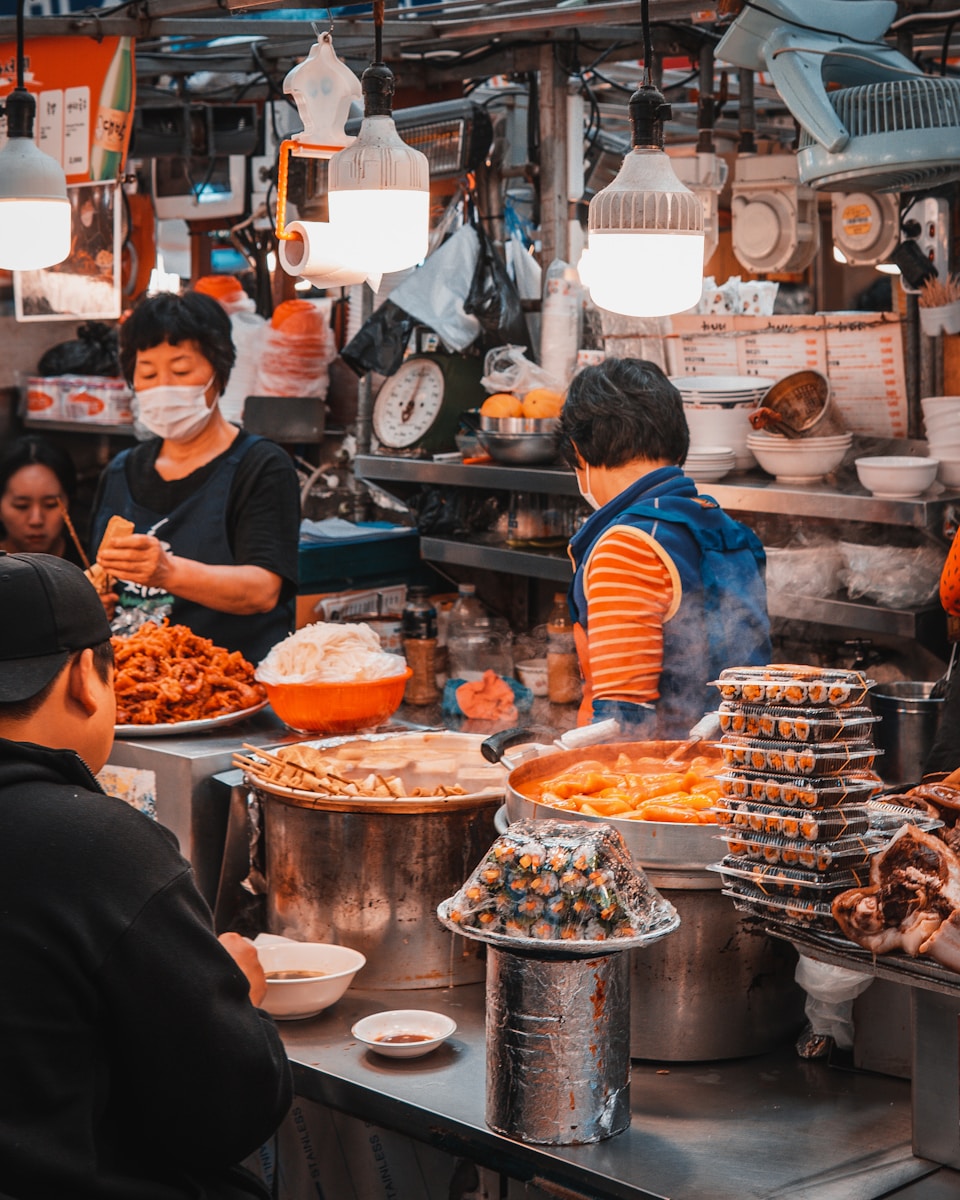
Myeongdong Street Food Alley
Myeongdong is one of Seoul’s most famous shopping districts, but it’s also a street food paradise. The busy alleyways are lined with stalls offering an array of mouth-watering treats. From skewered meats and seafood to sweet delights like taiyaki and crepes, Myeongdong has something for every palate. The atmosphere is lively, with vendors calling out to attract customers and the smell of grilling food filling the air. Some must-try items include tornado potatoes, egg bread, and of course, the ubiquitous tteokbokki. Myeongdong is busiest in the evenings, so plan your visit accordingly for the full experience.
Gwangjang Market
Gwangjang Market, one of the oldest and largest traditional markets in Seoul, is a must-visit for street food lovers. The market is famous for its wide variety of traditional Korean foods, including bindaetteok (mung bean pancakes), mayak gimbap (mini gimbap), and yukhoe (Korean-style beef tartare). The lively atmosphere and the sheer diversity of food available make Gwangjang Market a culinary haven. Be sure to visit the vendors who have been perfecting their recipes for decades, offering a taste of authentic Korean flavors. The market is also known for its affordable prices and generous portions.
Hongdae Food Street
Located in a neighborhood known for its youthful energy and artistic vibe, Hongdae Food Street offers a trendy take on traditional street food. The area is popular among college students and young professionals, which is reflected in the innovative and Instagram-worthy food offerings. Here, you can find unique twists on classic dishes, such as cheese-filled tteokbokki, Korean-style hot dogs, and churros with dipping sauces. Hongdae is also a great place to try fusion foods, combining Korean ingredients with international flavors. The lively nightlife and street performances add to the overall experience, making it a fun place to explore.
Noryangjin Fish Market
Noryangjin Fish Market is not just a place to buy fresh seafood; it’s also a fantastic spot for sampling street food. The market is one of Korea’s largest seafood markets, offering everything from live octopus to king crab. Many vendors prepare seafood on the spot, allowing you to enjoy incredibly fresh dishes like grilled shellfish, spicy fish stew, and raw fish platters. The market is open 24 hours, providing an opportunity to explore the busy early morning auctions or enjoy a late-night seafood feast. For the adventurous eater, trying sannakji (live octopus) is a must.
Insadong Street
Insadong is known for its traditional Korean culture, making it an ideal place to explore street food with historical significance. The area is filled with tea houses, antique shops, and art galleries, providing a cultural backdrop to your culinary adventure. Street food in Insadong includes traditional snacks like hoddeok (sweet pancakes), bbopki (sugar candy), and various types of jeon (Korean pancakes). The cobblestone streets and historical buildings create a charming atmosphere, perfect for leisurely strolling and snacking. Insadong is also a great place to buy traditional Korean souvenirs and experience cultural performances.
Each of these street food corners offers a unique glimpse into Korea’s rich culinary landscape, providing both locals and tourists with an unforgettable gastronomic experience. Whether you prefer traditional flavors or modern twists, these markets and streets have something delicious waiting for you.
The Cultural Impact of Korean Street Food
Korean street food is more than just a culinary delight; it is a reflection of Korea’s rich cultural heritage and social fabric. Street food plays a significant role in daily life, providing not only sustenance but also a communal experience that brings people together. The busy markets and street stalls serve as social hubs where people from all walks of life can gather, share, and enjoy affordable, delicious food.
Street food in Korea is a testament to the country’s ability to adapt and innovate while preserving its traditions. Many street food items have deep historical roots, such as tteokbokki and sundae, which have been enjoyed for generations. These traditional foods offer a taste of Korea’s past, connecting people to their cultural history with every bite.
street food reflects the seasonal and regional diversity of Korean cuisine. In coastal areas, fresh seafood dominates the street food scene, while mountainous regions might feature hearty, warming dishes suited to the colder climate. Seasonal variations are also evident, with different snacks appearing in winter and summer, ensuring that street food remains dynamic and varied throughout the year.
The influence of Korean street food has extended beyond the country’s borders, thanks in part to the global popularity of Korean pop culture. K-pop, K-dramas, and Korean films often feature scenes of characters enjoying street food, sparking international interest and curiosity. This cultural export has led to the establishment of Korean street food stalls and food trucks around the world, allowing people to experience a taste of Korea wherever they are.
Street food also plays a crucial role in social gatherings and festivals in Korea. During events like the Lantern Festival or the Busan International Film Festival, street food vendors line the streets, offering a festive and communal atmosphere. These gatherings highlight the importance of food in Korean culture as a means of celebration and togetherness.
Tips for Enjoying Korean Street Food
Exploring Korean street food can be an exciting and rewarding experience. Here are some tips to help you make the most of your culinary adventure:
1. Visit During Peak Hours: Street food stalls are typically busiest in the evenings, especially around 6 PM to 9 PM. Visiting during these hours ensures you get the freshest food and experience the lively atmosphere.
2. Bring Cash: While many places in Korea accept credit cards, street food stalls often prefer cash. It’s a good idea to carry small bills and coins for easy transactions.
3. Start Small: With so many options available, it can be tempting to try everything at once. Start with small portions to avoid feeling overwhelmed and to leave room for more variety.
4. Look for Busy Stalls: Popular stalls with long lines are usually a good indicator of delicious and safe food. Follow the locals and check out where they are eating.
5. Embrace the Experience: Part of the fun of eating street food is enjoying it on the go. Don’t be afraid to stand and eat or find a nearby spot to savor your food. The casual and communal atmosphere is a big part of the experience.
6. Be Adventurous: Korean street food offers a wide range of flavors and textures. Don’t hesitate to try something new, even if it looks unfamiliar. You might discover a new favorite dish.
7. Mind Your Manners: While street food is casual, it’s still important to be polite. Dispose of your trash properly and be respectful to vendors and fellow diners.
8. Ask for Recommendations: If you’re unsure what to try, ask the vendors or locals for their recommendations. They can often point you to the most popular and delicious items.
By following these tips, you’ll be well-prepared to work through the lively world of Korean street food and enjoy an unforgettable culinary journey.
Conclusion
Korean street food is more than just a culinary delight; it’s a cultural phenomenon that encapsulates the essence of Korea’s rich heritage and lively lifestyle. From the spicy kick of tteokbokki to the sweet, satisfying crunch of hotteok, each dish offers a unique taste of Korea’s dynamic food culture. The busy street markets and food alleys are not just places to eat but social hubs where people come together to enjoy delicious, affordable food in a lively atmosphere.
The evolution of Korean street food from humble beginnings to a global sensation showes the country’s innovative spirit and deep-rooted traditions. Each street food corner, whether it’s the historic Gwangjang Market or the trendy Hongdae Food Street, tells a story of Korea’s past and present, offering a culinary journey that is both nostalgic and excitingly contemporary.
Street food in Korea is a testament to the communal and inclusive nature of Korean society. It’s a place where everyone, regardless of background, can share in the joy of good food. The lively scenes of street vendors passionately preparing their specialties, the communal tables filled with locals and tourists, and the fusion of traditional and modern flavors all contribute to an experience that is uniquely Korean.
For those looking to understand and appreciate Korean culture, exploring its street food is an essential part of the journey. So, the next time you find yourself in Korea, look at the busy street food scene. Savor the flavors, engage with the vendors, and immerse yourself in an experience that will not only satisfy your taste buds but also offer a deeper connection to the heart and soul of Korea.