
On August fifteenth in Seoul, the 떡볶이 carts run late into the night. Steam rises off pans of hotteok, sugar syrup blistering the dough. Someplace on a Jongno side street, a grandmother turns bindaetteok on a cast-iron griddle the way her own grandmother did. Independence Day in Korea tastes like this before it tastes like anything else.
광복절 is August fifteenth, the day Korea marks the end of Japanese occupation. The formal ceremonies belong to the state. The street belongs to everyone. Vendors line the alleys behind Gwanghwamun and the markets around Namdaemun, and the food that appears is the food Koreans have eaten through every hard century. This webpage walks the dishes that show up, and why they carry the weight they do.
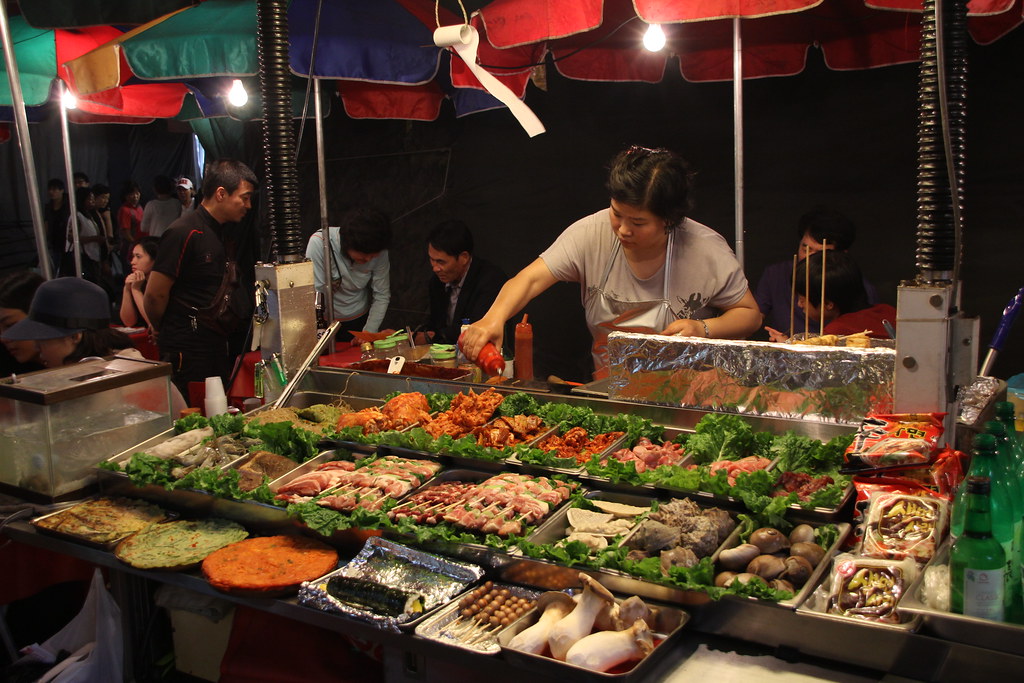
Apart from its taste, street food’s presentation is an integral part of the whole experience. Especially in street food markets where several sellers vie for customers’ attention, colorful packaging and eye-catching displays draw in customers. Delicious scents mixed with this visual appeal make for a memorable sensory experience.
In addition to being a meal, street food also acts as a social gathering place for strangers, families, and friends. Prolonged queues at food stands typically signify a vendor’s renown, building a sense of community and companionship as patrons exchange recommendations and experiences. This is a feature of street cuisine that enhances the dining experience even further.
The usage of seasonal ingredients in South Korean street food is another intriguing feature. Vendors modify their products according to the season in order to improve flavor and freshness. Seasonal variations in cuisine abound, with winter offering fiery tteokbokki and summer offering cool Korean cider.
Street food vendors embrace innovation while holding fast to tradition as the industry continues to change. Modern cooking methods and technological advancements have brought street food into the twenty-first century, transforming it into a lively part of South Korea’s culinary culture.
Korean Independence Day Celebrations: A Tasty Custom
August 15th is Korean Independence Day, commemorating the liberation of Korea from Japanese colonial rule in 1945. This momentous historical occasion is a celebration of national identity and culture as well as a day of remembrance. During this festival, food plays a major part as communities unite to honor their past via common culinary traditions.
Street food vendors provide a distinct assortment of age-old recipes on Independence Day, a holiday celebrated for many years. Parks, fairs, and marketplaces are popular places for people to congregate, making them joyous events with food, dancing, and music. There is a strong sense of patriotism in the air, and eating street cuisine becomes a way for people to reconnect with their heritage.
During this festival, several foods become more popular because they are significant historically or represent pride in the country. During picnics and get-togethers, family and friends typically share foods like kimbap, a wrapped rice dish packed with meats and veggies. Sharing food with others is a symbol of solidarity that embodies the spirit of Independence Day.
Cultural performances are a common component of Independence Day festivals, and street food sellers compete to show off their culinary prowess. These gatherings draw large audiences and give neighborhood vendors a stage on which to showe their distinctive interpretations on well-known foods. This not only showes the inventiveness of the street food scene but also maintains traditions.
Paying tribute to South Korean culture is the lively assortment of food on exhibit during Independence Day celebrations. The bright hues of the ingredients reflect the rich mix of Korean history and identity, just as the flags wave triumphantly in celebration of independence. This strikes a contrast between the joy of sharing meals and the serious tone of the occasion.
Families and friends consider the costs paid for their freedom as they indulge in these culinary customs. In addition to honoring their identity today, the cuisine provided on Korean Independence Day acts as a reminder of their indomitable spirit and cultural history.
Famous Recipes to Quench Your Cravings for Street Food
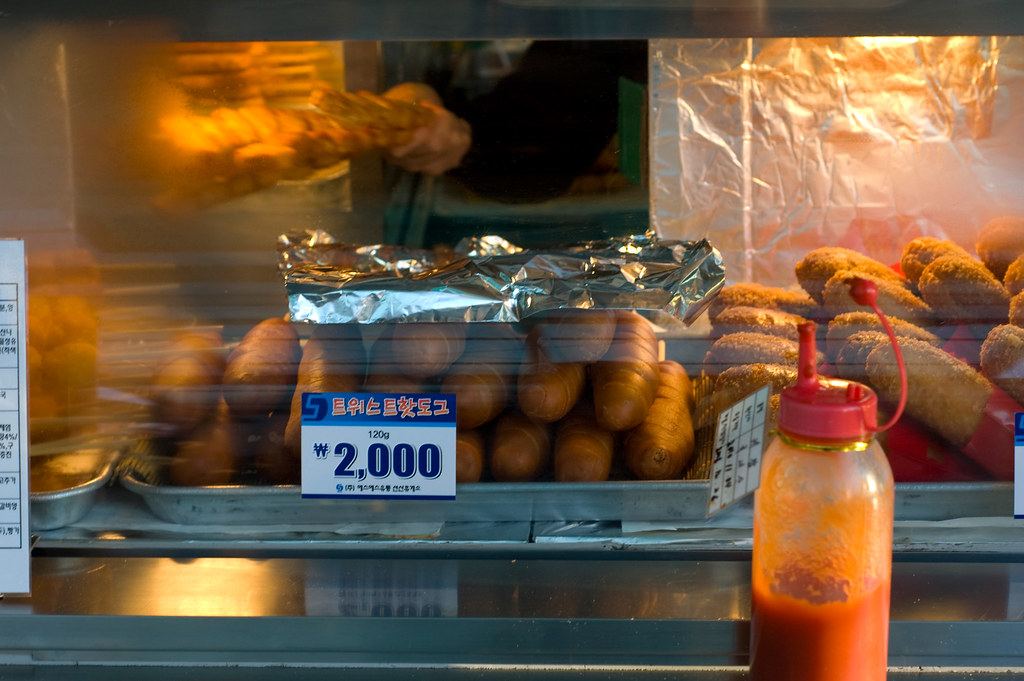
It is impossible to ignore the signature dishes that epitomize South Korean street cuisine when sampling it. Street vendors all around the nation sell the cherished traditional, tteokbokki, which are spicy rice cakes. Usually served with fish cakes and cabbage, these chewy rice cakes are stir-fried in a sweet and spicy gochujang sauce. Both residents and visitors adore it for its solid flavors and pleasing texture.
Hotteok, a sweet, filled pancake that is especially well-liked in the winter, is another common street food item. The vendors make these delectable delicacies by deep-frying a batter that contains chopped nuts, cinnamon, and brown sugar until it turns golden brown. Anybody visiting South Korea in the winter should definitely sample hotteok because of the burst of taste and warmth in every bite.
Another popular street-food item that epitomizes comfort food is gyeran-ppang, or egg bread. This is a fluffy, sweet bread that is sold by many street sellers all around South Korea. It is usually created with an entire egg baked within. It’s a delightfully crispy outside with a warm, runny yolk that makes for a pleasant snack any time of day.
For individuals with a more savory appetite, kimbap presents a convenient and healthful dinner choice. Though packed with pickled radish, seasoned veggies, and protein options such grilled beef or fish, this dish is similar to sushi rolls. Kimbap is perfect for savoring the taste of Korean food on-the-go because street vendors frequently sell it in handy slices.
In addition, the aroma of mandu, or Korean dumplings, fills crowded markets, luring foodies to savor its delicious contents. These dumplings can be filled with anything from veggies to spiced pork and cooked in a steaming, boiling, or frying manner. They taste much better when paired with a dipping sauce, which makes them a great choice for people who are just strolling around the city.
And last, pepero, or chocolate-covered biscuit sticks, are a favorite treat, especially on special occasions such as Pepero Day. These delicious treats, which aren’t just served on Independence Day, are a sign of love and friendship. They’re frequently found among vendors during celebrations and provide the ideal sweet conclusion to any street food exploration.
The Importance of Independence Day Street Food
On Korean Independence Day, street food assumes special meaning as a representation of solidarity and national pride. People gather to celebrate independence by sharing traditional food that is a reflection of their common history, which strikes a powerful chord with them. By using culinary customs to link the past and present, each dish tells a tale.
Many families take the time on Independence Day to remember the hardships their forefathers endured and to honor the tenacity that brought about the liberties we enjoy today. Sharing street food, which has frequently been a mainstay for many generations, turns into a heartfelt gesture of appreciation and introspection. Vendors frequently display family-inherited recipes, preserving history via cuisine.
Additionally, the social aspect of street food culture promotes communication and interpersonal relationships. The lively ambiance of busy markets creates a sense of community as families and friends meet together. Eating meals together, be it hotteok, kimbap, or tteokbokki, builds relationships amongst people via shared culinary experiences that celebrate national identity.
Another way to boost regional economy is through street food. Significant holidays like Independence Day are a source of revenue for many vendors, so the experience is about more than simply enjoying delectable food·it’s also about helping local workers sustain their livelihoods. Diners contribute to the ongoing vitality of these beloved traditions by opting to consume street food on this special day.
Social media’s ability to spread images and videos of food to a global audience has increased the significance of street food on Independence Day in recent years. By exchanging recipes digitally, people can maintain culinary traditions and feel linked to one another no matter where they are in the world. Sharing like this can even spark interest in their culinary legacy among new generations.
In the end, Korean Independence Day street food evokes feelings in addition to providing nourishment. Every meal represents a treasured memory, a celebration of the present, a nod to the past, and the ongoing cultural legacy that shapes South Korea’s identity to this day.
Popular Holiday Markets and Vendors to Check Out
Various marketplaces and vendors are worth exploring for those interested in enjoying South Korean street food on Independence Day. Gwangjang Market in Seoul, where tourists may savor an astounding variety of traditional street delicacies, is one of the most well-known locations. People are anxious to try bibimbap, kimchi, and other dishes as the market is busy with activity and the smell of fresh goods.
Myeongdong, a retail area well-known for its thriving street food scene, is another well-liked hotspot. Streetside booths sell a variety of delicacies, such as dessert crepes and fried chicken. Myeongdong is a great place for friends and family to get together and enjoy the flavors of Independence Day because it is especially busy during the holidays.
During this joyous occasion, Dongdaemun Design Plaza (DDP) is yet another great place to get street food. Serving both classic and contemporary cuisine, food trucks and booths are a common sight in the outdoor spaces around this architectural icon. While engaging in the festival’s events, visitors can take in the confluence of culture and gastronomy.
Gukje Market in Busan is a must-visit location for everyone who enjoys street cuisine. A variety of merchants offering various local specialties are present in this lively market, offering a varied dining experience. During the Independence Day celebrations, guests can have a sampling of the informal yet delectable foods that represent their Southern heritage.
Jeonju Hanok Village, which features traditional Korean architecture, is well-known for its distinct atmosphere. There are several street food sellers in the village, and they are well-known for their bibimbap and savory pancakes. People can fully experience the gastronomic and cultural diversity of Korean heritage by coming here on Independence Day.
Finally, don’t miss exploring Seoul’s Han River Park regions, where a lot of pop-up food vendors set up shop during the holidays. These laid-back outdoor spaces let folks unwind while chowing down on a variety of street cuisine. The river’s natural splendor offers a charming setting for creating memories while indulging in delectable cuisine on this momentous occasion.
Distinctive Components of Korean Street Food
A discussion of South Korean street food’s distinctive components that give rise to its remarkable flavors would be incomplete. Gochujang, a fermented red chile paste that gives food depth and a distinct spiciness, is a staple in many recipes. Its umami-rich flavor complements a wide range of dishes, including tteokbokki and marinades, making it an essential ingredient in Korean cooking.
Another essential component that frequently goes with street food dishes is kimchi, a staple dish that is well-known both domestically and abroad. Kimchi, which is made from fermented vegetables, especially radishes and napa cabbage, gives heavier dishes like mandu or kimbap a refreshing bite of flavor and acidity. Due of its extensive availability, it is a crucial component in Korean cuisine.
Another common ingredient is soy sauce, which adds a savory umami flavor to a wide range of foods. This is a commonly overlooked ingredient, but it’s essential in salad dressings, marinades for grilled meats, and dipping sauces that go with a lot of street food dishes. South Korean food excels because of the harmony of tastes brought forth by soy sauce.
Whole-grain and processed rice are popular building blocks for a variety of street cuisines. The adaptability of rice is smoothly woven into the fabric of South Korean snacks, whether it is served as sticky rice used in kimbap or as rice cakes. It adds fullness to food, making it substantial and gratifying.
Seasonal foods provide street food options more freshness and diversity. Examples of such items are winter root vegetables or spring greens during cherry blossom season. Its responsiveness allows vendors to modify their menus to feature seasonal products, which keeps the food interesting and lively all year long. Eating South Korean street food is always a new experience because of the addition of fresh ingredients.
Last but not least, sweet components like fruits, red bean paste, and honey give savory meals a delicious contrast. Desserts from street food stands, including hotteok and patbingsu (shaved ice with red bean), highlight the variety and inventiveness of Korean cooking. Each of these components is essential to creating the complex flavor combination that makes South Korean street food so alluring.
How Street Cuisine Reflects the History and Culture of South Korea
Street food is a celebration of modern South Korean culture as well as a window into the country’s past. Generation after generation of cooks has handed down ancient recipes that reflect the struggles and tribulations of the past. Many of the foods found on the streets today had their roots in hard times when families were looking for low-cost, wholesome alternatives to feed their families. In order to reconnect customers with their culinary origins, this history is essential.
In addition, street food has changed as a result of the fast modernization of South Korea, absorbing flavors and techniques from around the world and influencing regional cuisine. Street cuisine in South Korea has changed as the country has integrated more fully into the global economy, embracing innovations that cater to modern tastes. The food scene is exciting and diversified because vendors cleverly incorporate international influences and seasonal products.
Street food’s communal aspect is in perfect harmony with South Korean ideals, which place a high priority on community and shared experiences. The gathering around food symbolizes the importance of friendship and family in Korean culture, showing how street food is more than just eating. Food serves as a unifying factor for major events like Independence Day, which highlights this community aspect even more.
In addition, street food reflects different regions of South Korea and is a form of cultural expression. Dishes are frequently associated with certain locations, highlighting the distinctive culinary customs of each place. Street food vendors promote pride in regional identity within the broader South Korean setting by honoring and preserving local cultures through their food.
Social media’s ability to instantly share food photos with people worldwide has also contributed to the internationalization of South Korea’s street food scene. Street food has become more and more popular globally as individuals share their culinary adventures. It has captured the attention of food enthusiasts everywhere. The aforementioned issue has led to a rise in tourism as tourists aim to relish the genuineness and thrill of consuming regional street cuisine.
In the end, street cuisine from South Korea symbolizes the fortitude of a people that have triumphed over adversity and uses spices to honor its richer past. Every meal eaten on the street builds cultural appreciation, builds community, and connects individuals in addition to providing for the physical needs.
Advice for Savoring Street Food in a Responsible and Safe Way
While eating on the street can be thrilling, it’s crucial to put sanitation and safety first. Choose vendors who seem active and well-liked to guarantee a delightful dining experience. great turnover frequently denotes freshness and great quality. When visiting markets or stalls, pay attention to how neatly the vendors have set up their space, as this can reveal information about their hygiene standards.
Next, if you have any dietary restrictions or allergies, find out what ingredients are in the recipes you want to sample. To make sure you have a satisfying dinner without experiencing any negative side effects, communication is essential. Many sellers are pleased to go into further detail about what they have to offer, giving customers the chance to discover more about the genuine tastes of South Korea.
Observing food preparation techniques is another crucial safety advice. Check to see if the vendor is using clean utensils when handling the meal. Does food cook at the right temperature? Steer clear of products that don’t seem to have been properly refrigerated or that have been out for a long time. While lowering your chance of contracting a foodborne illness, eating freshly prepared food improves your experience in general.
If you’re new to spicy sensations, it can also be helpful to take tiny nibbles and let your palette adjust. Prior to moving on to hotter dishes as you get more accustomed to the flavors, start with milder selections. You can also explore the wide range of street cuisine by sampling different dishes without being overly overwhelmed by their flavors.
Additionally, it’s a good idea to eat in moderation and know when it might be most appropriate to share plates. It’s tempting to try everything, but moderation prevents discomfort and lets you try more different meals. When you explore street cuisine on holidays like Korean Independence Day, it’s even more enjoyable to share platters with friends or family to create a sense of community.
Lastly, show consideration for the customs and culture surrounding street cuisine in the area. Remember the customs of each place, and if you want to support your local vendors, think about buying from them rather than going with the more commercial fast-food franchises. Interacting with the local culinary scene enhances your trip and supports the longevity and vitality of these beloved customs.
Particularly on important days like Korean Independence Day, South Korean street cuisine is a delectable journey that captures the history, culture, and passion of the people. The street booths’ display of South Korea’s culinary legacy is a monument to the people’s adaptability, inventiveness, and teamwork. One may appreciate not only the wide range of flavors but also the deeper cultural tales weaved into each bite by visiting the colorful marketplaces, renowned cuisines, and distinctive ingredients. As food enthusiasts, we must embrace the pleasure of eating as well as the need to do it safely in order to preserve traditions for future generations.