The doljabi is the small ceremony at the heart of the dol, the Korean first birthday. A low table is set with a handful of symbolic objects (a brush, a thread, a coin, a stethoscope, a microphone), and the one-year-old is invited to choose. The choice is read as a sign of the path ahead.
Every household sets the table a little differently. The traditional core stays the same. The modern additions reflect what a Korean American family thinks belongs in the room. This guide walks the standard items, the modern additions, and how Bay Area families arrange the table on the day.
In contemporary times, the Doljabi tradition has seen some variations, with families incorporating modern elements and themes into their celebrations. However, the core essence remains intact, emphasizing the importance of family, community, and the hopes that parents hold for their children. This blend of tradition and modernity has made Doljabi a popular event among Korean families, both in Korea and around the world.
The Doljabi ceremony also builds a sense of belonging and identity among families, especially for those living outside Korea. By celebrating this tradition, parents reinforce cultural ties and instill a sense of pride in their children, ensuring that the rich history of their heritage continues to thrive. As such, Doljabi serves as a vital cultural landmark in the lives of many Korean families.
The emotional depth of Doljabi is heightened by the participation of extended family and friends, who gather to celebrate the child’s milestone. The event often includes performances, music, and traditional games, creating an atmosphere filled with joy and anticipation. With the potential outcomes of the Doljabi choices being discussed and celebrated, the day becomes a collective experience, drawing everyone closer together and uniting them in shared hopes and dreams.
In summary, Doljabi is more than just a ceremony; it is a poignant expression of love, hope, and cultural identity. For many families, it symbolizes the wish for their child’s bright future and the continuation of cherished traditions that have been passed down through generations.
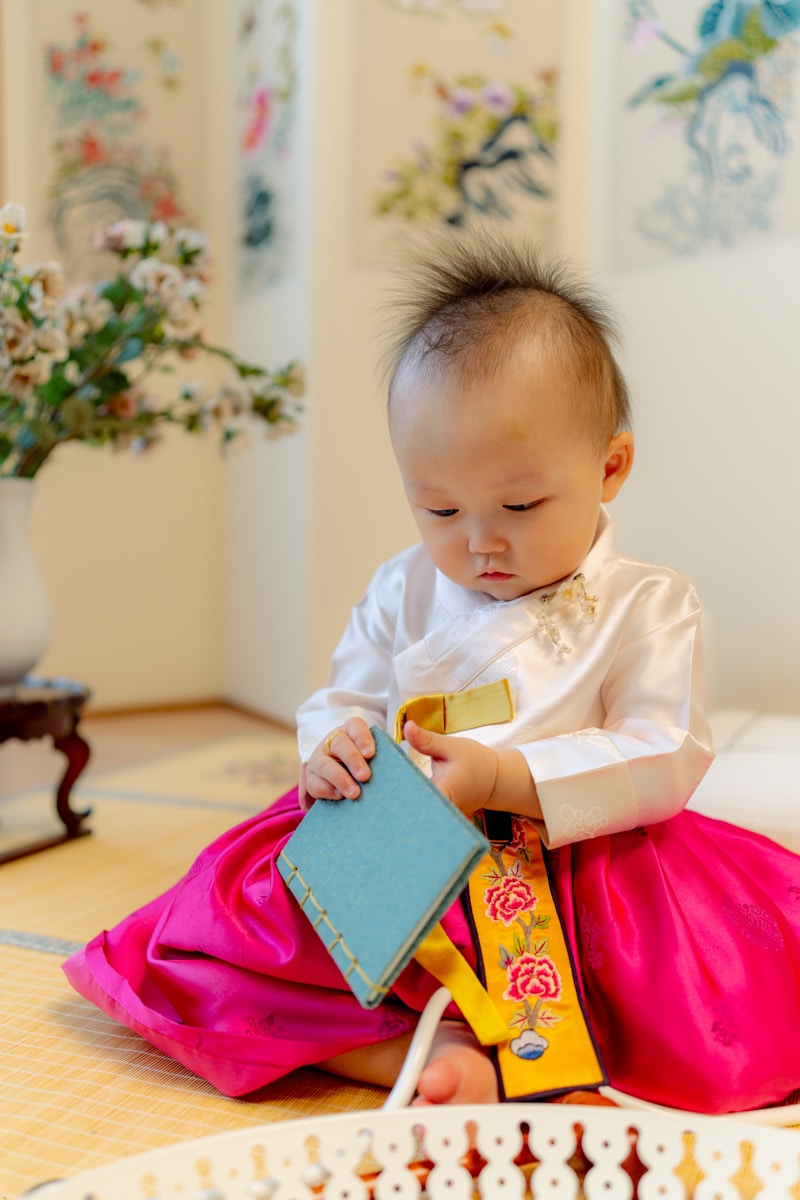
Essential Components of a Traditional Doljabi Kit
A traditional Doljabi kit is integral to the ceremony, providing all the necessary items for the child to choose from. While the specific contents may vary depending on personal preferences and regional customs, certain components are universally recognized as essential. Understanding these components can enhance the Doljabi experience and ensure a meaningful ceremony.
Firstly, the Doljabi mat, often adorned with lively colors and detailed designs, serves as the backdrop for the items presented. It creates a designated space where the child can sit and make their selection, emphasizing the significance of the moment. A beautiful mat not only enhances the visual appeal of the ceremony but also reflects the family’s pride in their cultural heritage.
Secondly, various items symbolizing different career paths and life choices are the centerpiece of the Doljabi ceremony. Common choices include a pencil (symbolizing a scholar), a microphone (representing an entertainer), a stethoscope (for a future doctor), and money (for financial success). Each of these items carries specific meanings and aspirations that parents hope for their children, making careful selection crucial.
A traditional Doljabi kit may also include decorative elements such as flowers, candles, and banners that enhance the festive atmosphere. These decorations not only create an inviting space for the ceremony but also serve as visual representations of the family’s hopes and dreams for their child’s future. Incorporating elements that resonate personally with the family can add another layer of significance to the celebration.
In addition to the physical items, a traditional Doljabi kit may also contain educational materials or books related to the professions represented. This serves to educate the child and the attending guests about the different career paths and the significance behind each item. By sparking discussion about various professions, the ceremony becomes an opportunity for families to share their values and aspirations.
Finally, it is essential to include a keepsake or memento to commemorate the occasion. This could be a photo album, a special book, or a letter written by family members expressing their hopes for the child. Such keepsakes serve as lasting reminders of the event and can be treasured by the child as they grow older.
In summary, a well-prepared Doljabi kit incorporates both traditional elements and personal touches to create a meaningful and memorable experience. By understanding the essential components, families can ensure that their Doljabi ceremony is a celebration of love, hope, and cultural identity.
Popular Doljabi Items and Their Symbolic Meanings
Choosing the right items for a Doljabi ceremony is a crucial aspect of the celebration, as each object holds significant meaning and reflects the hopes that parents have for their children. Understanding the symbolic meanings behind popular Doljabi items can help parents make informed decisions and create a ceremony that resonates with their family’s aspirations.
One of the most popular items is the pencil, which symbolizes knowledge and education. Parents who hope for their child to excel academically or pursue a scholarly career often place a pencil in front of them. The pencil represents learning, creativity, and the pursuit of wisdom, making it a favored choice among families.
Another common item is the microphone, which represents a future in the performing arts or entertainment. This choice is often associated with aspirations for a child to become a singer, actor, or public speaker. By selecting the microphone, parents express their hopes for their child to find joy and success in creative pursuits, highlighting the importance of self-expression and communication.
The stethoscope is a popular item representing the medical profession, symbolizing a future in healthcare. Parents who select this item often wish for their child to become a doctor, nurse, or other healthcare professional. The stethoscope embodies compassion, care, and dedication to improving the lives of others, reflecting the values parents hope to instill in their children.
A more modern addition is the laptop or tablet, symbolizing technology and innovation. This item represents aspirations for a future in the tech industry, encouraging children to explore the world of digital creativity and entrepreneurship. As technology continues to shape our lives, this item resonates with contemporary families looking to inspire their children to pursue careers in the changing tech landscape.
In addition to these popular items, some families may choose to include unique or personal items that hold specific meanings for their child or family history. For example, a paintbrush might symbolize artistic talent, while a globe could represent a desire for travel and exploration. By incorporating personalized choices, families can create a Doljabi experience that reflects their unique values and aspirations.
Ultimately, the items selected for Doljabi carry profound significance, serving as a reflection of parental hopes and dreams. By understanding the symbolic meanings behind popular Doljabi items, families can craft a ceremony that honors tradition while also celebrating their child’s individuality.
How to Create Your Own Custom Doljabi Kit
Creating a custom Doljabi kit allows families to personalize their child’s ceremony, ensuring that it reflects their unique values and aspirations. By carefully selecting items and incorporating meaningful elements, parents can design a Doljabi experience that holds special significance for their family.
The first step in crafting a custom Doljabi kit is to determine the central themes or aspirations that resonate with your family. Reflect on the traits and qualities you hope to encourage in your child, such as creativity, compassion, or ambition. This initial brainstorming session can help guide your selection of Doljabi items and create a cohesive theme for the ceremony.
Next, gather a variety of items that symbolize those aspirations. Consider both traditional items, such as the pencil and stethoscope, as well as modern choices that reflect contemporary career paths, like a laptop or a paintbrush. Incorporate unique items that hold personal significance, such as a family heirloom or objects that represent family professions. This thoughtful selection process allows for a richer and more meaningful Doljabi experience.
In addition to the symbolic items, consider enhancing the visual aspect of your Doljabi kit with decorative elements. Choose a beautiful mat that complements the theme of your ceremony and adds a festive touch. Incorporate colors and patterns that resonate with your family’s cultural background or personal preferences. This attention to detail creates an inviting atmosphere for the celebration and underscores the importance of the event.
Another essential aspect of a custom Doljabi kit is the inclusion of educational materials or keepsakes. Consider providing books or pamphlets related to the professions represented, sparking discussions about career paths and aspirations among guests. Additionally, include a memento, such as a letter or photo album, that captures the hopes and dreams expressed during the ceremony. This lasting keepsake will serve as a cherished reminder of the day for both the child and the family.
Finally, ensure that your custom Doljabi kit is well-organized and easy to set up on the day of the ceremony. Create a checklist of items to ensure nothing is overlooked, and practice the presentation to create a smooth and memorable experience. By preparing thoughtfully, you can create a Doljabi ceremony that reflects your family’s values and celebrates the hopes you hold for your child’s future.
In conclusion, creating a custom Doljabi kit allows families to personalize this cherished tradition, ensuring that the ceremony resonates with their unique aspirations. By carefully selecting items and incorporating meaningful elements, parents can celebrate their child’s growth while honoring their cultural heritage.
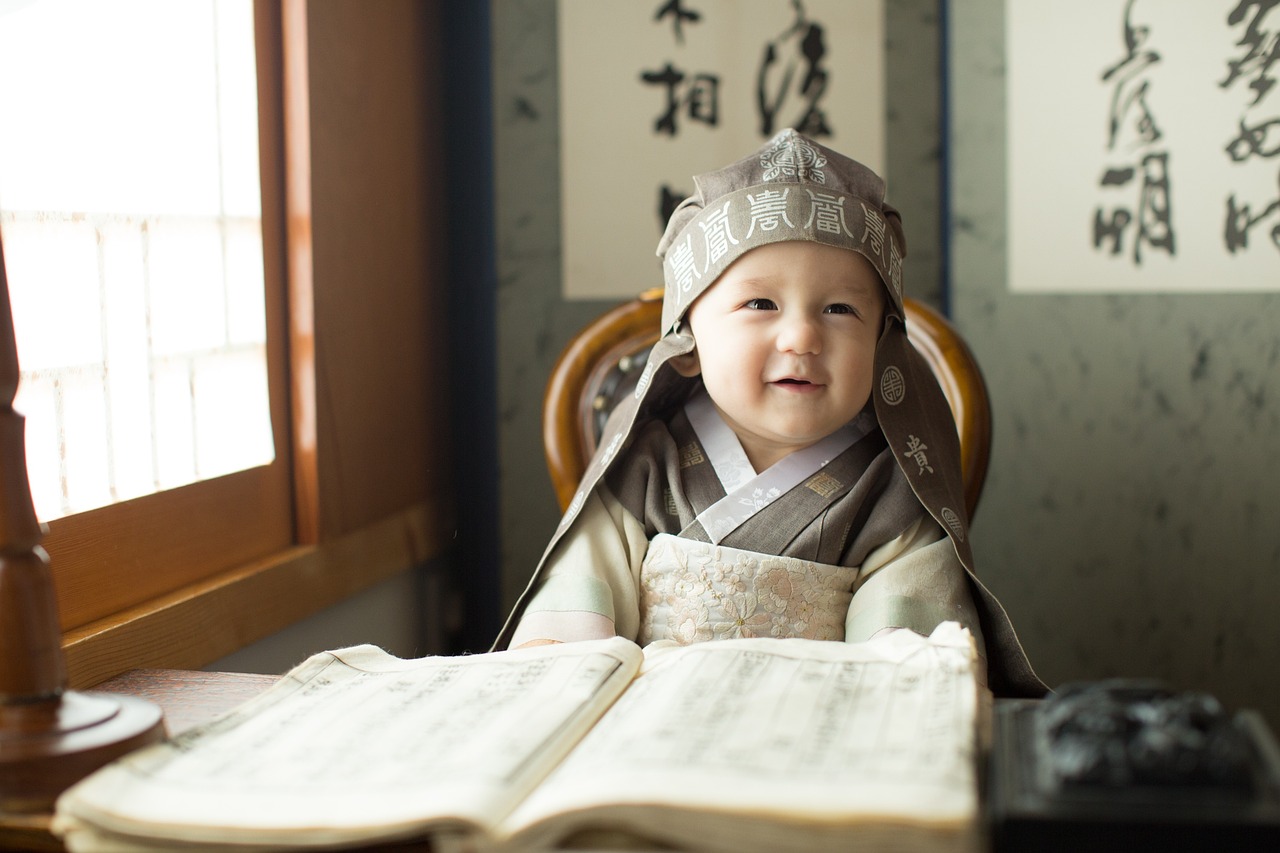
Planning the Perfect Doljabi Ceremony for Your Child
Planning a successful Doljabi ceremony involves careful consideration of various elements, from choosing the right venue to inviting family and friends. By organizing the event thoughtfully, families can create a memorable experience that celebrates their child’s first birthday and the hopes they hold for their future.
Begin by selecting a venue that accommodates your family and friends comfortably. This could be your home, a rented space, or a local community center. Make sure the venue is accessible and has enough room for all guests, as well as space for the Doljabi setup. A welcoming environment will enhance the celebratory atmosphere and make the event enjoyable for everyone.
Next, create a guest list that includes close family members, friends, and relatives. Consider the cultural significance of the event and invite those who play an important role in your child’s life. Sending out invitations well in advance will help ensure that your loved ones can join the celebration. Including a brief explanation of Doljabi in the invitations can also help guests understand the significance of the event.
As the date approaches, focus on organizing the Doljabi items and decorative elements. Gather the chosen items and arrange them in a visually appealing manner on the Doljabi mat. Consider incorporating flowers, banners, or other decorations that enhance the festive atmosphere. This attention to detail will create an inviting space for the ceremony and enhance the overall experience for your guests.
Meal planning is another essential aspect of the Doljabi ceremony. Traditional Korean foods, such as rice cake (baekseolgi) and other festive dishes, can create a delightful dining experience for guests. Consider catering or preparing dishes that reflect your family’s cultural background. Sharing food is an essential part of Korean celebrations, and a well-planned menu can enhance the sense of community and togetherness during the event.
On the day of the ceremony, create a schedule that outlines the sequence of events. This could include welcoming guests, presenting the Doljabi items, and allowing the child to make their selection. Having a clear plan in place will help ensure that the event flows smoothly, allowing everyone to enjoy the celebration. Designate someone to capture photos or videos to document the special moments, creating lasting memories for your family.
In summary, planning a perfect Doljabi ceremony involves thoughtful organization and attention to detail. By considering venue, guest lists, decorations, and meal planning, families can create a meaningful celebration that honors their child’s growth and the hopes they hold for their future.
Tips for Choosing the Right Doljabi Items for Success
Selecting the right Doljabi items is a crucial part of the ceremony, as these objects symbolize the aspirations parents have for their child’s future. Here are some tips to consider when choosing Doljabi items that will enhance the experience and resonate with your family’s values.
First and foremost, reflect on your child’s personality and interests when selecting items. Consider what qualities or traits you hope to encourage as they grow. For example, if your child shows an affinity for music, including a microphone may be particularly meaningful. Personalizing the choices based on your child’s characteristics ensures that the ceremony feels relevant and special.
Next, incorporate a mix of traditional and modern items to create a diverse selection. While classic choices like a pencil and stethoscope remain popular, modern items such as a tablet or a paintbrush can represent contemporary aspirations. This blend of items can provoke thought and discussion among guests, enriching the ceremony and allowing everyone to share in the hopes for the child’s future.
Consider the symbolic meanings behind each item and how they align with your family values. Research the significance of various objects to ensure they resonate with what you hope to convey during the ceremony. For example, including items that represent service, compassion, or creativity can reflect the values you wish to instill in your child.
Another important aspect is to involve family members in the decision-making process. Family traditions, stories, and values can shape the significance of the Doljabi items chosen. Engaging with grandparents, aunts, uncles, and close relatives can provide valuable insights and create a sense of community around the ceremony. This collective effort enhances the emotional depth of the event and strengthens family bonds.
Finally, be mindful of the practicality of the items selected. Consider the age and ability of your child when choosing objects·they should be safe and manageable for a one-year-old. Additionally, consider the ease of setup and cleanup when selecting items, keeping in mind the overall flow of the ceremony to ensure a smooth experience for everyone involved.
In conclusion, choosing the right Doljabi items requires thoughtful consideration of your child’s personality, family values, and the meanings behind each object. By reflecting on these elements, families can create a meaningful ceremony that captures their aspirations and honors the tradition of Doljabi.
In summary, Doljabi is a rich tradition that celebrates a child’s first birthday while casting hopeful aspirations for their future. By understanding the cultural significance of the ceremony, carefully selecting items, and planning a thoughtful event, families can create an unforgettable experience that honors both their child and their heritage. Whether you choose to follow traditional customs or incorporate modern elements, the essence of Doljabi lies in the love, hope, and connection shared among family and friends. Embrace this beautiful tradition and create lasting memories that will be cherished for years to come.