
It is nine o'clock in Seoul. Steam is rising off a griddle of 호떡, brown sugar sizzling out at the edges as a woman flattens the dough with the back of a spatula. Two teenagers are eating 어묵 from paper cups. The broth is hot enough that you feel it in your fingertips. Someone laughs. A radio plays.
Korean street food is a whole civic language. It teaches children about spice, teaches strangers how to stand shoulder to shoulder, teaches vendors how to keep a family fed on a two-burner cart. Myeongdong, Gwangjang, the small night markets of Busan: each one has its own accent, its own house specialties. What follows is a walk through the dishes that keep those carts running.
South Korea continues to be at the forefront of the global street food movement, frequently setting the pace for other nations. Their distinct takes on traditional recipes, infused with global flavors, highlight the nation’s commitment to culinary creativity. Anyone visiting South Korea should definitely check out the country’s street food scene, which offers a lots of options ranging from contemporary snacks to traditional stews.
Food safety is yet another crucial factor to take into account. Health rules keep an eye on street vendors to make sure hygienic criteria are fulfilled. This helps to build confidence in the safety and caliber of the offers by ensuring that visitors can enjoy street food without concern.
The variety of South Korean street food is also greatly influenced by the availability of seasonal ingredients. Markets are stocked to the gills with delicacies that showe the finest seasonal goods. While winter is defined by rich, warming meals that bring comfort against the cold, spring delivers light, refreshing flavors. Each time a visitor returns, they discover new favorites, adding to the overall experience throughout this seasonal cycle.
In the end, the variety of tastes found in South Korean street food creates a gastronomic journey that encourages investigation and learning, paving the way for a deeper understanding of the rich culture it represents.
Street Food Traditions: An Exploration of Korean Culture
Street cuisine in South Korea is a living representation of the nation’s rich cultural legacy. Numerous foods that are enjoyed today have centuries-old beginnings that were shaped by a variety of elements like climate, geography, and historical occurrences. The community attitude of Korean society, where sharing food is a way of connecting and bonding, is the foundation of traditional street food.
The importance of seasonal festivals is a key component of Korean culture that is shown in street food. Preparing numerous traditional foods during designated holidays or seasons contributes to the promotion of a sense of national identity and cultural continuity. To illustrate the significance of food in customs and family get-togethers, consider the fact that the rice cakes known as tteok are frequently consumed at festivities and special events.
In addition, street food preparation and consumption can require a feeling of craftsmanship that has been passed down through the years. In order to maintain authenticity in both taste and approach, vendors often utilize family recipes. This bloodline offers a taste of history with every meal, building a strong bond between the past and present.
In South Korea, street food also supports community dining, when families and friends go together at food stands to share meals. By sharing a meal, this customary practice encourages social contact, building bonds and understanding. People congregate in vivid and energetic street markets where the ambiance is conducive to enjoying both food and company in equal proportion.
With the world being smaller, traditional street cuisine is essential to maintaining ethnic identity. In addition to food, street vendors frequently share experiences and tales that perfectly capture Korean culture. These stories captivate both visitors and residents, offering an enriching experience that goes beyond merely eating.
As a result, traditional street food in South Korea represents the history, social mores, and sense of community of the country, offering much more than simply a simple meal.
Iconic Recipes: Street Food Treats You Must Try
There are several street food favorites in South Korea that are simply must-try items. These traditional dishes highlight the tastes and preparation methods that characterize Korean cuisine, making them must-try foods for any traveler to the nation. Tteokbokki, a spicy and sweet meal made from chewy rice cakes served in a gochujang (red chili paste) sauce and frequently topped with fish cakes and cooked eggs, is one of the most well-liked street delicacies.
Hotteok is a popular street meal that consists of a sweet pancake stuffed with a blend of crushed almonds, cinnamon, and brown sugar. This meal is very well-liked in the winter and is frequently eaten while strolling around the streets, giving warmth and coziness. Its crunchy outside and gooey within perfectly capture the ideal harmony of textures that characterizes Korean food.
Another favorite is gimbap, which is uniquely Korean yet is frequently compared to sushi. This dish is ideal for eating on the go because it is made up of rice and a variety of items, including pickles, meats, and vegetables, all wrapped in seaweed. Gimbap sellers are widespread in South Korea and provide a quick and wholesome meal for people who live in busy cities.
Eomuk (fish cake) skewers are a delicious choice for seafood enthusiasts. These skewers, which many street sellers sell and which are frequently served in a warm soup, are hearty and comforting, especially on cold days. Both residents and visitors are drawn to the dish by the appealing combination of the savory broth and umami-rich fish cake.
When sampling street cuisine, do not miss the spicy stir-fry meal dakkalbi, which is created with rice cakes, veggies, and marinated chicken. Dakkalbi, which is typically prepared on griddles in front of the stand, is a favorite with both residents and visitors since it is a visually pleasing and fragrant meal.
The last delicacy to be indulged in during a South Korean street food expedition is bungeoppang, a fish-shaped pastry filled with delicious red bean paste. This colorful and lively dessert is particularly well-liked in the winter and tastes best warm, making it a lovely way to round off any exploration of street cuisine.
The Art of Cooking: Creating Favorite Street Food Recipes
Making street cuisine from South Korea is an art form that calls for dexterity, accuracy, and a keen sense of flavor. Vendors frequently invest years honing their trade, using methods that have been passed down through the centuries. Every dish is a representation of the vendor’s love, commitment, and cultural background in addition to being a meal.
Finding premium components is the first step in the preparation process and is essential to guaranteeing the authenticity and flavor of the finished product. In order to obtain the freshest alternatives, vendors frequently prioritize locally grown produce and meats, cultivating connections with nearby farmers and marketplaces. Due to the vendors’ ability to showe seasonal products, the street food’s overall quality is improved by this tight ties to the community.
Observers are enthralled with the spectacle that is the cooking process. Vendors frequently show off their culinary prowess and flare by preparing food in front of patrons. People are drawn in by the sensory experience created by the brilliant colors of fresh vegetables, the rhythmic movement of chopsticks, and the sizzling of meat on a grill. The spectacle of food preparation enhances the appeal of street food from South Korea.
Many street food sellers work on honing their technique by specializing in a small selection of foods. By specializing, they can guarantee that every dish is dependably excellent and has a distinct flavor character that makes them stand out from the competition. Seeing these craftspeople in action confirms the notion that street food in South Korea is a gastronomic adventure infused with artistic sensibility rather than merely being fast food.
To further enhance the authenticity of these foods, traditional cooking methods like grilling, steaming, and frying are employed. In order to satisfy modern tastes while keeping a link to the past, many suppliers choose to employ techniques that have been around for decades. This dynamic street food culture is created by combining innovation and tradition, and it is always changing.
Ultimately, South Korea’s vast culinary legacy is demonstrated by the skill with which its street food is prepared. With careful care and attention to detail, each dish tells a tale that demonstrates the vendor’s commitment to both their skill and their culture.
Street Food Markets: Prepare for a Gastronomic Journey
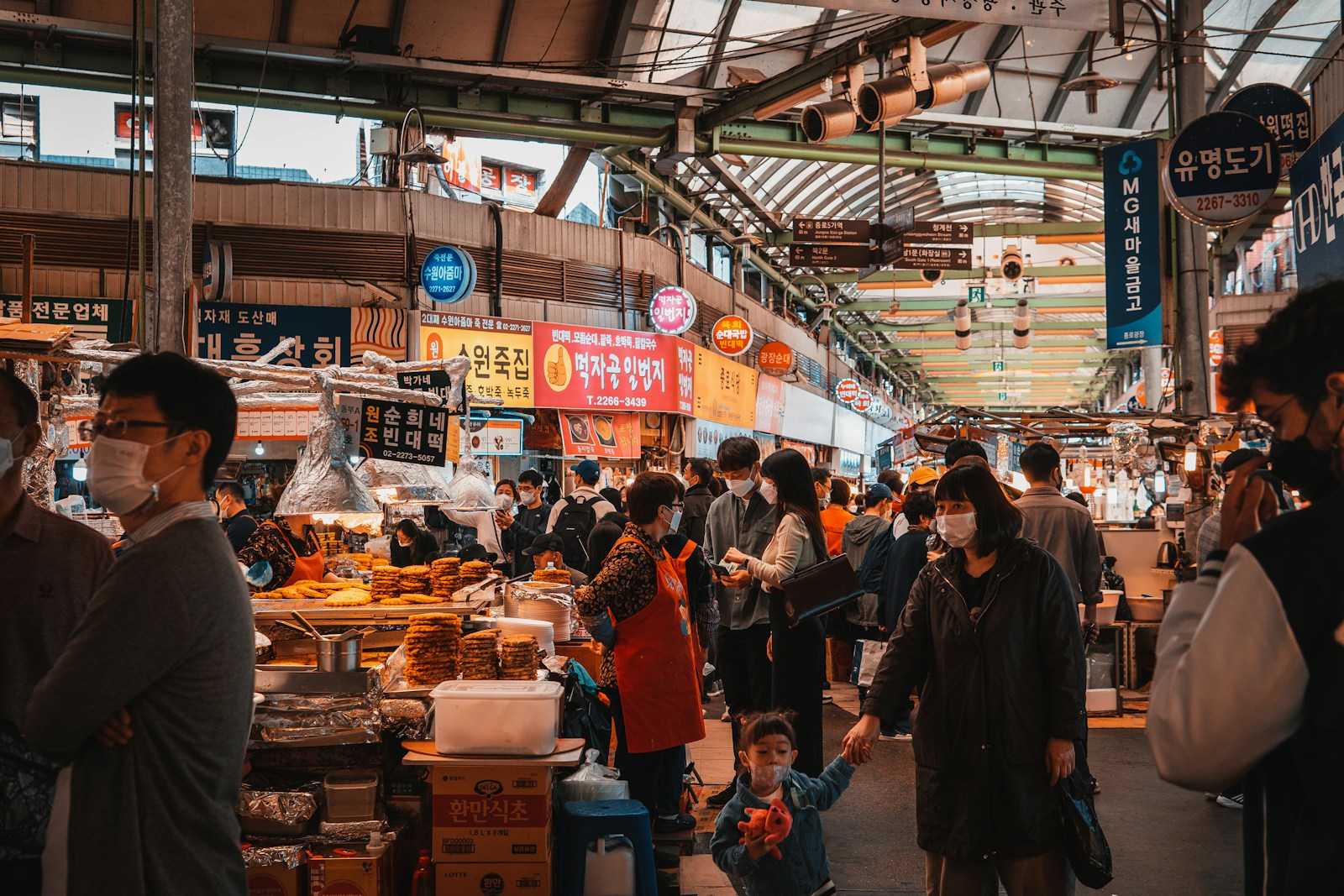
The most dynamic places to explore South Korean street cuisine are the numerous colorful markets scattered around cities. Locals and visitors alike are drawn into a world of culinary delights by these markets, which offer a feast for the senses with everything from lively street performances to crowded night markets. With merchants screaming out to onlookers and tantalizing scents filling the air, the mood is electrifying.
Seoul’s Gwangjang Market, well-known for its assortment of street food alternatives, is one of the most well-known markets. Strolling down small aisles, tourists may find anything from sokka (pork belly skewers) to bindaetteok (mung bean pancakes). People congregate around communal tables to share meals in the friendly mood created by the market’s bustle.
Another famous food market is the Jagalchi Fish Market in Busan. This market, which is well-known for its fresh seafood, lets guests taste seafood right out of the ocean. In order to highlight the area’s maritime background, vendors cook foods like grilled shellfish and raw fish sashimi here. A distinctive dining experience is produced by the lively atmosphere of the market and the sights and sounds of the seaside.
Additionally, street food markets give guests a chance to experience food culture. Customers can learn as they eat from the many vendors who are happy to offer the tales behind their delicacies and their cooking methods. Vendors and customers bond and feel more like a community as a result of this contact, which improves the whole experience.
These marketplaces are significant because they represent Korean culture and social dynamics in addition to food. They act as hubs where individuals from various walks of life congregate to celebrate culinary traditions, share meals, and mingle. Visitors find the experience to be intriguing due to the variety of offerings and the lively atmosphere.
In summary, street food markets in South Korea offer visitors not just delicious culinary experiences but also cultural immersions that capture the essence of the country. Visitors take a trip around the stalls that honors regional products, age-old methods, and the sense of community that permeates Korean culture.
Fusion Trends: Contemporary Takes on Traditional Street Foods
South Korean street food is embracing fusion trends that give contemporary takes on traditional meals as the world’s cuisines continue to meld together. This development is a reflection of the nation’s lively food culture, which combines local ingredients with foreign inspirations to produce modern culinary creations. Younger people are especially fond of fusion street food since they are willing to try new flavors and textures.
The use of foreign components in well-liked Korean recipes is one noteworthy trend. For example, street food vendors all around the world are selling Korean tacos, which blend traditional bulgogi with Mexican tortillas, and are incredibly popular. This fusion introduces new flavor profiles that appeal to a wide range of palates while providing a distinctive perspective on both cuisines.
In addition to tacos, gourmet ingredients are now being used in street food, which enhances the eating experience. Foods like kimchi burgers and tteokbokki with truffle oil demonstrate how chefs are inventively reimagining age-old dishes to suit contemporary tastes. These upscale takes on street cuisine improve its quality by providing upscale tastes at reasonable pricing points.
In order to improve their offers, street food vendors sometimes experiment with different cooking methods. For example, South Korean vendors have been inspired to make their own distinctive pastries, including mochi donuts packed with traditional Korean ingredients, by the growing popularity of the cronut, a cross between a croissant and a donut. This inventive fusion of native ingredients with Western pastry skills is a prime example of the street food fusion trend.
The popularity of these fusion trends is greatly influenced by social media, as diners post their experiences on sites like Instagram and TikTok. More people are drawn to these contemporary versions of classic street cuisine because of the inventive meals’ eye-catching appearance and the attractiveness of their distinctive flavor combinations.
In the end, fusion street food trends in South Korea demonstrate the nation’s willingness to try new things in the kitchen. Vendors maintain the innovative spirit by fusing traditional Korean cuisine with flavors from around the world, guaranteeing that street food will always be a dynamic and changing part of Korean culture.
Beyond Food: Street Vendors’ Social Experience
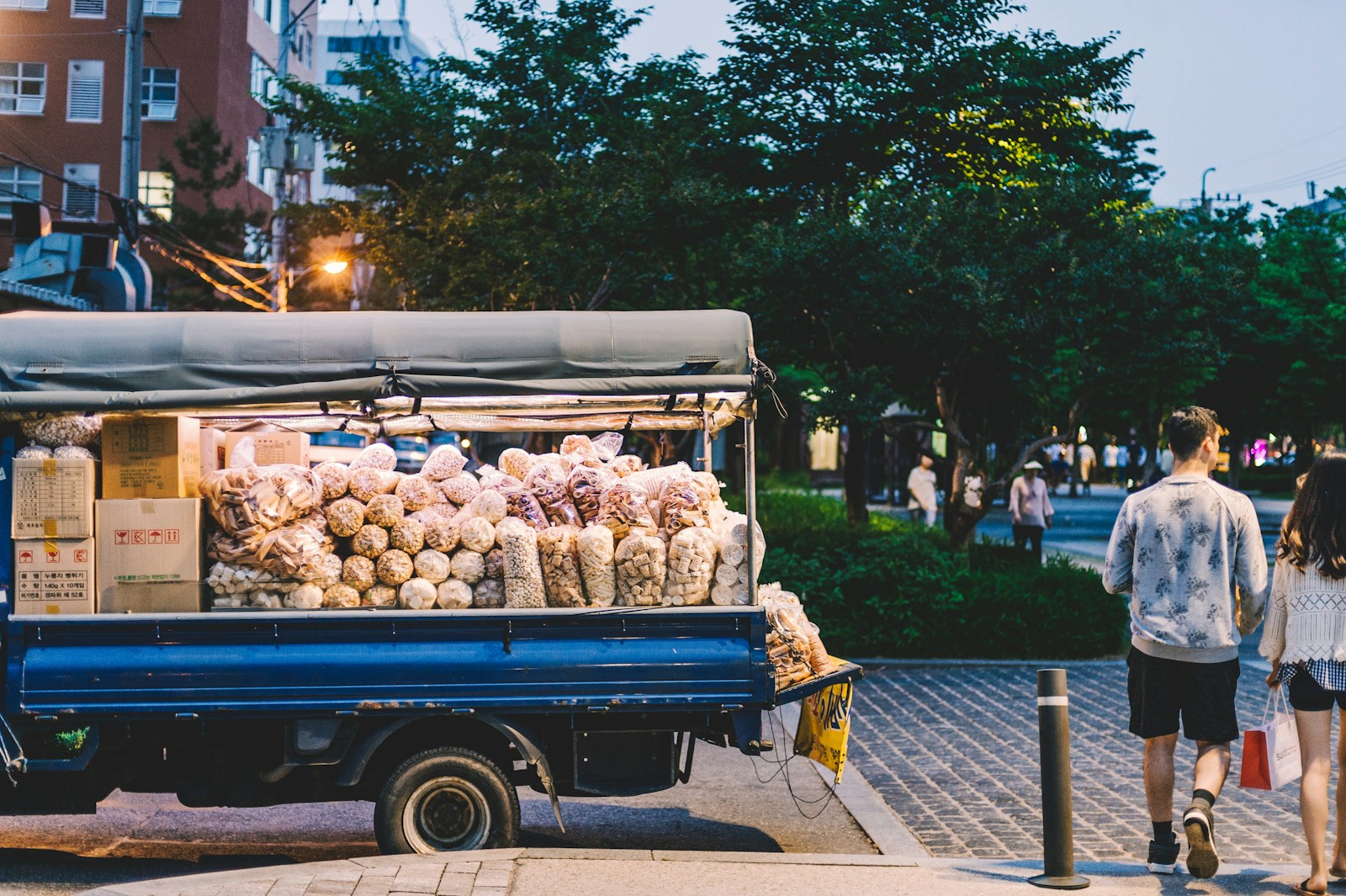
The social scene around South Korean street food provides a dimension of richness that draws many to the markets and stalls, even if the meal itself is the main appeal. The street food scene creates ties between locals and tourists by acting as a gathering place. Food has a crucial role in building social interaction and involvement in these settings, going beyond simply sating hunger.
A major factor in establishing this mood is the vendors. Many have acquired a devoted clientele by cultivating comfortable and trustworthy relationships. Frequent diners frequently become friends, sharing tales and jokes while savoring their favorite cuisine. First-time guests are also welcomed into the lively world of street food with open arms, demonstrating this sense of community.
This social experience is further enhanced by culinary festivals, which unite a variety of sellers and celebrate the variety of street food. To promote a sense of community and joy, these gatherings frequently include live entertainment, cooking demos, and food samples. People might develop their bonds with one another through shared gastronomic experiences during festivities.
Social connections include cultural exchange in addition to food. Retailers can have discussions about Korean food and culture with vendors as they frequently give information about their cooking methods, local delicacies, and culinary histories. This information sharing deepens understanding of the culinary arts and enhances the experience.
Street food vendors offer dishes that honor cultural traditions during festivals and special events, which further highlights the social nature of this food type. For example, to commemorate Pepero Day, sellers would provide special goodies, enticing people to gather and partake in the celebrations. People develop social relationships and a sense of belonging as a result of this shared experience.
Essentially, the social aspect of eating street food in South Korea is just as significant as the cuisine itself. Street food is raiseed from basic subsistence to a beloved cultural tradition through the interactions between sellers and consumers as well as the sense of community builded by shared meals.
Some Advice for Eating Korean Street Food Like a Local
It is a great experience to taste South Korean street food, but there are a few tricks to make the experience even more authentic. Above all, have an adventurous spirit! The diversity of street cuisine is what makes it so beautiful, and residents frequently advise experimenting rather than limiting oneself to well-known favorites. Try some different flavors and textures that you might not encounter in conventional eateries by stepping outside of your comfort zone.
When indulging in street cuisine, timing is equally important. Because lunch and evening are typically the busiest periods for markets and booths, going at off-peak hours can result in shorter lines and more face-to-face contact with merchants. Early evenings are perfect for exploring since there is a lot of energy in the air and the food is fresh and ready to eat.
Seek out vendors with a high client turnover rate when choosing one. Popular booths are frequently a good indicator of quality and taste since locals are drawn to food vendors. Asking the vendor about their specialty is often a good idea because the people there take pride in their food and are usually willing to offer advice.
It is advisable for people who are worried about food safety to pay attention to the vendors’ sanitary standards. Take note of how often they create fresh batches of food and look for stalls that are tidy and well-organized. Selecting crowded booths is typically a sign that the food is prepared freshly, which adds to the assurance of its quality and safety.
Though many sellers are used to dealing with tourists and can communicate through gestures or visual aids, language difficulties can still be an issue. Learning a few basic Korean phrases, like “thank you” (감사합니다, gamsahamnida) or “wonderful” (맛있어요, masisseoyo), will greatly improve communication and convey gratitude for the meal.
Finally, remember to enjoy the ambience. The experience of eating street food in South Korea is just as important as the cuisine itself. Savor the sights, sounds, and aromas of the busy marketplaces while appreciating the camaraderie that comes with sharing meals with loved ones. By taking a full approach to street food consumption, you may immerse yourself in the essence of South Korean culture.
In summary, looking at the colorful realm of South Korean street food is an adventure rich in flavor, cultural importance, and a feeling of belonging. Offerings range from contemporary fusion trends to classic treats, giving guests a distinctive window into the country’s gastronomic history. Indulging in South Korea’s street food culture, whether you are an experienced tourist or a first-timer, guarantees unique experiences that go beyond simply the cuisine. So fill up on food and get ready for a gastronomic journey that highlights the diversity of Korean cooking!