
Ultimate Guide to Easy Korean BBQ Recipe
Introduction to Korean BBQ
The grill plate is on the burner in the middle of the table. A platter of 삼겹살 sits to one side, a plate of marinated 갈비 to the other, both cut thin the way a Bay Area butcher will do if you ask nicely. Lettuce leaves are stacked in a bowl. 쌈장 waits in a small dish. Someone is pouring water; someone else is negotiating for the first strip off the grill.
Korean barbecue at home is easier than the restaurant version makes it look. What you need is a good grill surface, a short list of marinades, a small spread of banchan, and enough friends and family around the table to keep the meat moving. Below is Mrs. Lee's plan for a Korean BBQ night that works in a Bay Area kitchen without a downdraft hood or a professional cook.
Even if you choose a course manager, that person is responsible for keeping track of everyone’s complaints and allergies, as well as the usual “did we order too much” process concern. But there are exceptions to this dystopian dining experience, and Korean barbecue is one of them. Korean BBQ is a conversation piece. Waves of grilled meat, endless rice, and bubbling fries·you can’t finish it all by yourself!
Essential Ingredients for Korean BBQ
- Meat:
- Beef: Cuts such as rib eye steak, short ribs (galbi), thinly sliced brisket (chadolbaegi)
- Pork: Pork belly (samgyeopsal) and marinated pork are the most popular.
- Chicken: Boneless chicken breast works especially well when marinated.
- Marinades & Sauces:
- Soy Sauce: The base for many marinades.
- Garlic: Freshly minced for a pungent kick.
- Ginger: Adds a subtle spice.
- Sugar or Honey: For sweetness.
- Sesame Oil: For a nutty aroma.
- Gochujang: A spicy, fermented red chili paste.
- Doenjang: Fermented soybean paste for depth of flavor.
- Vegetables & Side Dishes:
No Korean BBQ is complete without a variety of side dishes (banchan). These often include:
- Kimchi: Spicy fermented cabbage.
- Ssamjang: A thick, spicy paste for dipping.
- Ssam: Lettuce or perilla leaves for wrapping meat.
- Pickled Vegetables: Such as radish & cucumber.
- Rice: Steamed white rice is a staple.
- Equipment:
For an authentic experience, you’ll need:
- Grill: A tabletop grill or a portable butane stove with a grill pan.
- Tongs: For turning & serving the meat.
- Scissors: To cut the meat into bite-sized pieces.
Popular Korean BBQ Dishes: Galbi, Bulgogi, and More
- Galbi (갈비): Korean short ribs, marinated and grilled to perfection.
- Bulgogi (불고기): Thinly sliced beef marinated in a savory and sweet sauce.
- Samgyeopsal (삼겹살): Unseasoned and grilled pork belly.
- Dak Galbi (닭갈비): Spicy stir-fried chicken with veggies.
- Yangnyeom Galbi (양념갈비): Sweet and spicy short ribs.
- Deungsim Gui (등심구이): Grilled sirloin seasoned with salt & pepper.
Step-by-Step Guide to Making Korean BBQ at Home
- Prepare the Marinades: Mix ingredients and marinate the meat.
- Set Up the Grill: Ensure it’s stable and preheat to medium-high.
- Cook the Meat: Grill the marinated meat evenly until cooked.
- Prepare the Side Dishes: Arrange everything on small plates.
- Serve & Enjoy: Cut meat into pieces for guests to create their own wraps.
- Pair with Drinks: Offer a variety of beverages to complement the meal.
- Clean Up: Cool and clean the grill after enjoying your meal.
Side Dishes & Condiments for Korean BBQ
- Kimchi (김치): Adds a tangy crunch and is rich in probiotics.
- Ssamjang (쌈장): A spicy dipping sauce for added flavor.
- Pickled Vegetables: Provide a refreshing contrast.
- Japchae (잡채): Sweet & savory stir-fried glass noodles.
- Rice (밥): An essential staple to balance flavors.
- Namul (나물): Seasoned vegetable side dishes for added nutrition.
- Gyeran Jjim (계란찜): Savory steamed egg custard.
- Banchan (반찬): Small side dishes adding variety and depth.
Tips for Hosting a Korean BBQ Party
- Plan Ahead: Sort out marinades and ingredients beforehand for a smoother experience.
- Set Up a Self-Serve Station: Encourage guests to get involved.
- Provide Grill Instructions: Ensure everyone knows how to grill properly.
- Offer a Variety of Drinks: Keep beverage options diverse.
- Keep It Casual: A relaxed atmosphere enhances enjoyment.
- Create a Comfortable Atmosphere: Ensure plenty of seating and space.
- Play Korean Music: Set the mood with some Korean tunes.
- Have Fun with Desserts: Offer some sweet treats after the main meal.
Health Benefits of Korean BBQ
- High in Protein: Great source for muscle health.
- Rich in Probiotics: Promotes gut health with fermented dishes.
- Balanced Diet: Includes a variety of vegetables and nutrients.
- Low in Carbs: Options available for low-carb diets.
- Natural Ingredients: Focus on fresh, unprocessed items.
- Encourages Slow Eating: Communal style aids digestion.
- Lean Protein Options: Choose less fatty cuts for a healthier meal.
- High in Antioxidants: Ingredients offer anti-inflammatory benefits.
- Hydration from Vegetables: Fresh veggies help with hydration.
- Heart Health: Healthy fats benefit cardiovascular well-being.
The Ultimate Guide to Easy Korean BBQ Recipe
I see you are searching for a guide to Korean BBQ recipes. This worth-my-time-reading blog post will have you catching yourself craving Korean food right about now! If you’ve ever found yourself imagining tasting the smoky aromas and sizzling sounds of a Korean BBQ restaurant, you’re in for a treat!
Well, to not drag you any longer, I will be sharing with you this easy Korean BBQ recipe that you can make while at home. We will discuss the must-have ingredients, popular dishes, and step-by-step instructions. Worry not because I assure you that even newbies (like me or you) can master grilling these tasty dishes. So, roll those sleeves up, fire up your grill, and let’s get cooking!
Introduction to Korean BBQ
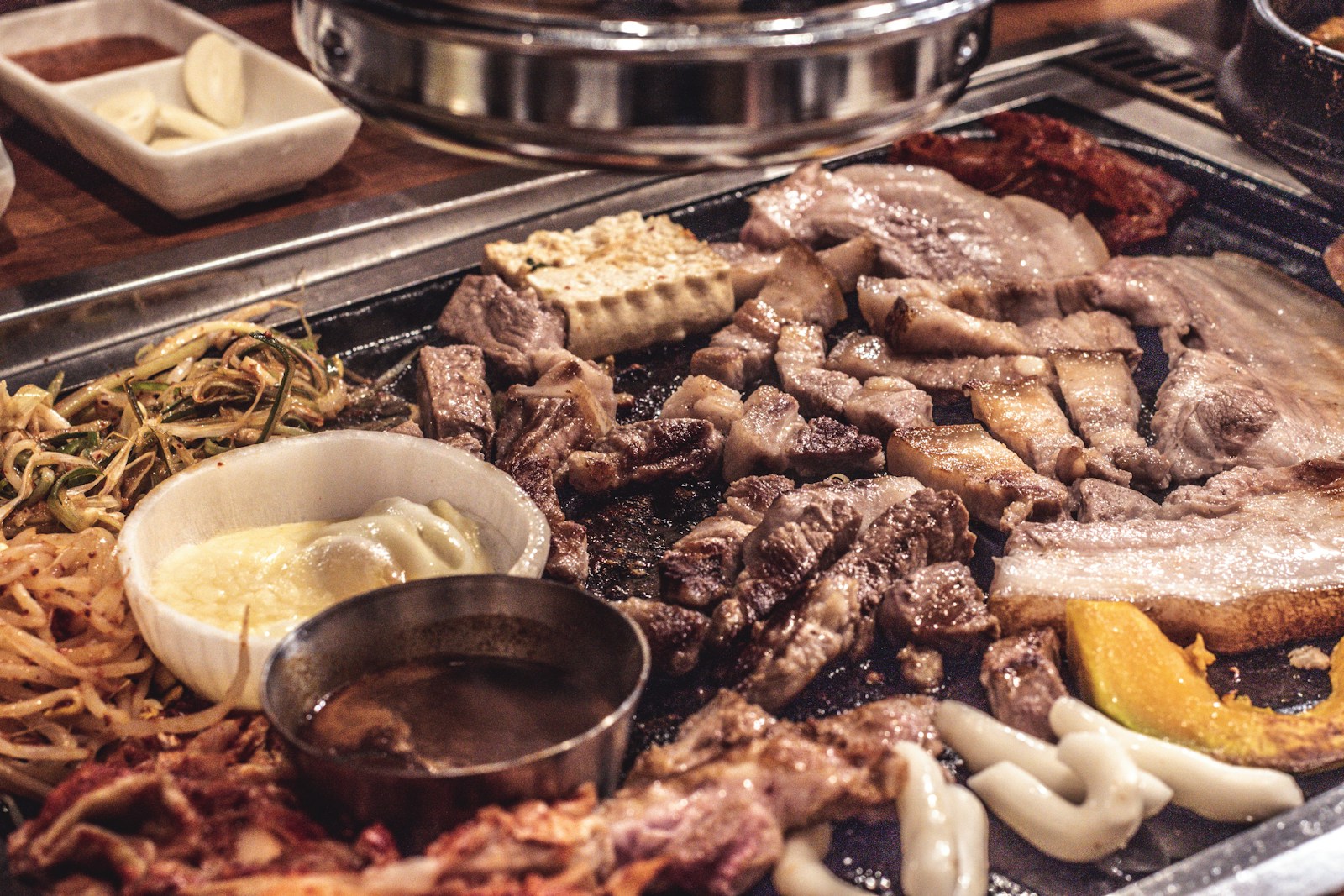
Korean BBQ, or “gogi-gui,” which means “meat roast,” is a method of grilling meat, typically beef, pork, or chicken, right at the dining table. It’s a communal dining experience where friends and family gather around a table equipped with a built-in grill, cooking meat to perfection while enjoying a variety of side dishes.
The beauty of Korean BBQ lies in its simplicity and the quality of its ingredients. With an easy Korean BBQ recipe, you don’t need to be a professional chef to achieve authentic flavors. The secret is in the marinades and the balance of flavors·sweet, salty, spicy, and umami·that make each bite unforgettable. Although it is often said that the menu is for sharing purposes, it is not suitable for parties of more than four people. Dealing with a large group can be stressful. This is crazy unless you let just one person control the order of the entire table.
Even if you choose a course manager, that person is responsible for keeping track of everyone’s complaints and allergies, as well as the usual “did we order too much” process concern. But there are exceptions to this dystopian dining experience, and Korean barbecue is one of them. Korean BBQ is a conversation piece. Waves of grilled meat, endless rice, and bubbling fries·you can’t finish it all by yourself!
Despite its popularity among non-Koreans in the United States, there are still many people who don’t know the fun of Korean BBQ. Even if you were told, in all the excitement and storm of the smoky air of meat floating above you, you could still spend the night knowing nothing about the table and its relative needs and importance.
Of course, this information is even more important if you’re planning to try your own Korean BBQ party. Even if you’re heading to Korean BBQ at a restaurant in town for a night out with friends (preferably in a nice room after karaoke), you can focus on singing your favorite song without worrying about strangers judging you. Whether you’re hosting a banquet in the comfort of your own home, every Korean Barbecue food has certain ingredients to remember at the table.
The History of Korean BBQ
Ah, the history of Korean BBQ. Let me take you on a journey, much like the magical adventures in my stories.
Picture yourself in ancient Korea, during the Goguryeo era. The year is around 37 BC, and people are gathered around open flames, grilling meat. This practice of cooking over an open fire was quite common. It was simple, yet it marked the beginning of what we now know as Korean BBQ.
As time passed, this way of cooking meat evolved. Different dynasties came and went, each adding their own touch to the culinary landscape. The Joseon Dynasty, which lasted for over five centuries, played a significant role in shaping Korean cuisine. During this period, grilling techniques improved, and new flavors and marinades were introduced. Soy sauce, garlic, and sesame oil became popular ingredients, adding rich flavors to the meat.
The influence of neighboring countries also left its mark. From the Mongols, Koreans learned to appreciate beef and lamb, integrating these meats into their BBQ repertoire. Japanese occupation in the early 20th century introduced new grilling methods and dishes, which Koreans adapted and made their own.
Fast forward to modern times, and Korean BBQ has become more than just a method of cooking meat. It’s a cherished social event. This communal aspect of Korean BBQ is a reflection of the deep-rooted value of sharing in Korean culture.
Every bite of a Korean BBQ carries with it centuries of history and tradition. From the early days of grilling over open flames to today’s sophisticated, flavorful dishes, Korean BBQ has always been about more than just food. It’s about connection, community, and the joy of sharing a meal with loved ones.
So, next time you enjoy Korean BBQ, remember you’re not just eating a meal. You’re participating in a rich, cultural tradition that has been passed down through generations. And isn’t that just a bit magical?
The Experience of Korean BBQ
The Korean BBQ experience is more than just the food; it’s an experience. It’s about atmosphere and community spirit. The sound, smoke, and interactive experience of grilling your own meat make it a unique dining experience. Each piece of meat is cooked to your liking, dipped in sauce and wrapped in fresh lettuce so every bite is perfect.
Korean BBQ is often viewed as a social event where friends and family sit around and grill. Everyone took turns sharing cooking tips and passing plates and platters of meat to one another, creating a bond with each other. It is time to share a delicious meal with your loved ones and create lasting memories.
Essential Ingredients for Korean BBQ
To prepare an easy Korean BBQ recipe, you’ll need to get the basic ingredients. These ingredients will not only improve and enhance your food but will also add authentic flavor to your barbecue sauce.
Meat
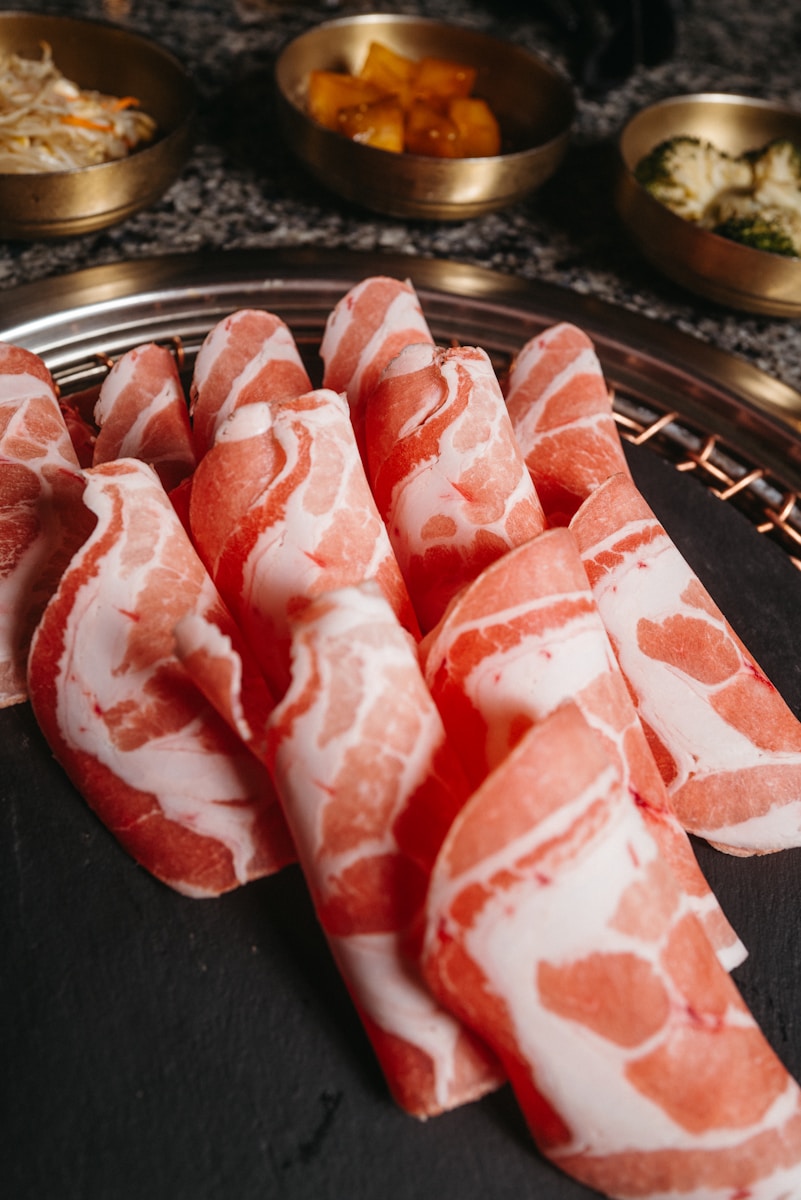
The star of Korean barbecue is meat. Options include:
- Beef: Cuts such as rib eye steak, short ribs (galbi), thinly sliced brisket (chadolbaegi).
- Pork: Pork belly (samgyeopsal) and marinated pork are the most popular.
- Chicken: Boneless chicken breast works especially well when marinated.
Marinades & Sauces
Marinades are crucial for infusing the meat with flavor. An easy Korean BBQ recipe typically includes:
- Soy Sauce: The base for many marinades.
- Garlic: Freshly minced for a pungent kick.
- Ginger: Adds a subtle spice.
- Sugar or Honey: For sweetness.
- Sesame Oil: For a nutty aroma.
- Gochujang: A spicy, fermented red chili paste.
- Doenjang: Fermented soybean paste for depth of flavor.
Vegetables & Side Dishes
No Korean BBQ is complete without a variety of side dishes (banchan). These often include:
- Kimchi: Spicy fermented cabbage.
- Samjang: A thick, spicy paste for dipping.
- Ssam: Lettuce or perilla leaves for wrapping meat.
- Pickled Vegetables: Such as radish and cucumber.
- Rice: Steamed white rice is a staple.
Equipment
For an authentic experience, you’ll need:
- Grill: A tabletop grill or a portable butane stove with a grill pan.
- Tongs: For turning and serving the meat.
- Scissors: To cut the meat into bite-sized pieces.
Additional Flavor Enhancers
- Sesame Seeds: Toasted sesame seeds can add a wonderful nutty flavor to your dishes.
- Scallions: Thinly sliced scallions provide a fresh, mild onion flavor.
- Rice Vinegar: A splash can brighten the flavors of your marinades and sauces.
Popular Korean BBQ Dishes: Galbi, Bulgogi, & More
Let’s look at some of the most popular dishes you can include in your easy Korean BBQ recipe repertoire.
Galbi (갈비)
Galbi, also known as Korean short ribs, are marinated in soy sauce, garlic, sugar, and sesame oil. The meat is tenderized by the marinade, adding sweetness. The ribs are then grilled until they caramelized and are lightly burned, creating the perfect balance of textures.
Bulgogi (불고기)
Bulgogi, meaning “fire meat,” is made with thinly sliced beef, usually sirloin or tenderloin, marinated in a mixture of soy sauce, sugar, sesame oil, garlic, and pepper. It’s cooked quickly over high heat, ensuring the meat remains tender and juicy. This easy Korean BBQ recipe is a crowd-pleaser and pairs well with rice and lettuce wraps.
Samgyeopsal (삼겹살)
Samgyeopsal, or pork belly, is unseasoned and grilled at the table. The beauty of this dish is its simplicity. The pork belly is crispy on the outside and tender on the inside. It’s typically dipped in sesame oil with salt and pepper and wrapped in lettuce with garlic and ssamjang.
Dak Galbi (닭갈비)
Dak Galbi is a spicy stir-fried chicken dish marinated in a gochujang-based sauce. It’s often cooked with cabbage, sweet potatoes, and rice cakes, making it a hearty and flavorful addition to any Korean BBQ spread.
Yangnyeom Galbi (양념갈비)
Yangnyeom Galbi is a variation of galbi that is marinated in a sweeter, spicier sauce made with gochujang, soy sauce, garlic, and other seasonings. The result is a flavorful and aromatic dish that’s perfect for those who enjoy a bit of heat.
Deungsim Gui (등심구이)
Deungsim Gui is a simple yet delicious grilled sirloin. The beef is lightly seasoned with salt and pepper, allowing the natural flavors of the high-quality meat to shine through. It’s often served with a dipping sauce made of soy sauce, garlic, and sesame oil.
Step-by-Step Guide to Making Korean BBQ at Home
Creating an easy Korean BBQ recipe at home might seem daunting, but with these simple steps, you’ll be grilling like a pro in no time.
- Prepare the Marinades: For beef bulgogi, mix soy sauce, sugar, sesame oil, garlic, and pepper in a bowl. For galbi, add grated pear or apple for extra sweetness and tenderness. Marinate the meat for at least 30 minutes, but overnight is best for deeper flavor.
- Set Up the Grill: If using a tabletop grill or portable stove, ensure it’s on a stable, heat-resistant surface. Preheat the grill to medium-high.
- Cook the Meat: Place the marinated meat on the grill. Use tongs to turn the pieces, ensuring they cook evenly. For pork belly, grill until crispy on the outside. For bulgogi and galbi, cook until the meat is caramelized and slightly charred.
- Prepare the Side Dishes: While the meat is grilling, set up the side dishes. Arrange kimchi, pickled vegetables, rice, and ssamjang on small plates. Wash and dry lettuce leaves for wrapping.
- Serve & Enjoy: Once the meat is cooked, cut it into bite-sized pieces using scissors. Serve immediately with the side dishes. Encourage guests to create their own wraps using lettuce leaves, meat, garlic, and ssamjang.
- Pair with Drinks: Korean BBQ pairs wonderfully with a variety of beverages. Soju, a popular Korean spirit, is a traditional choice. You can also serve beer, makgeolli (a Korean rice wine), or even a crisp white wine. Non-alcoholic options like barley tea or sparkling water also complement the rich flavors of the BBQ.
- Clean Up: After the meal, allow the grill to cool before cleaning. Remove any grease and food residue to keep your grill in good condition for future use. Store leftovers properly to enjoy the next day, as Korean BBQ dishes often taste even better after the flavors have had more time to meld.
Side Dishes & Condiments for Korean BBQ
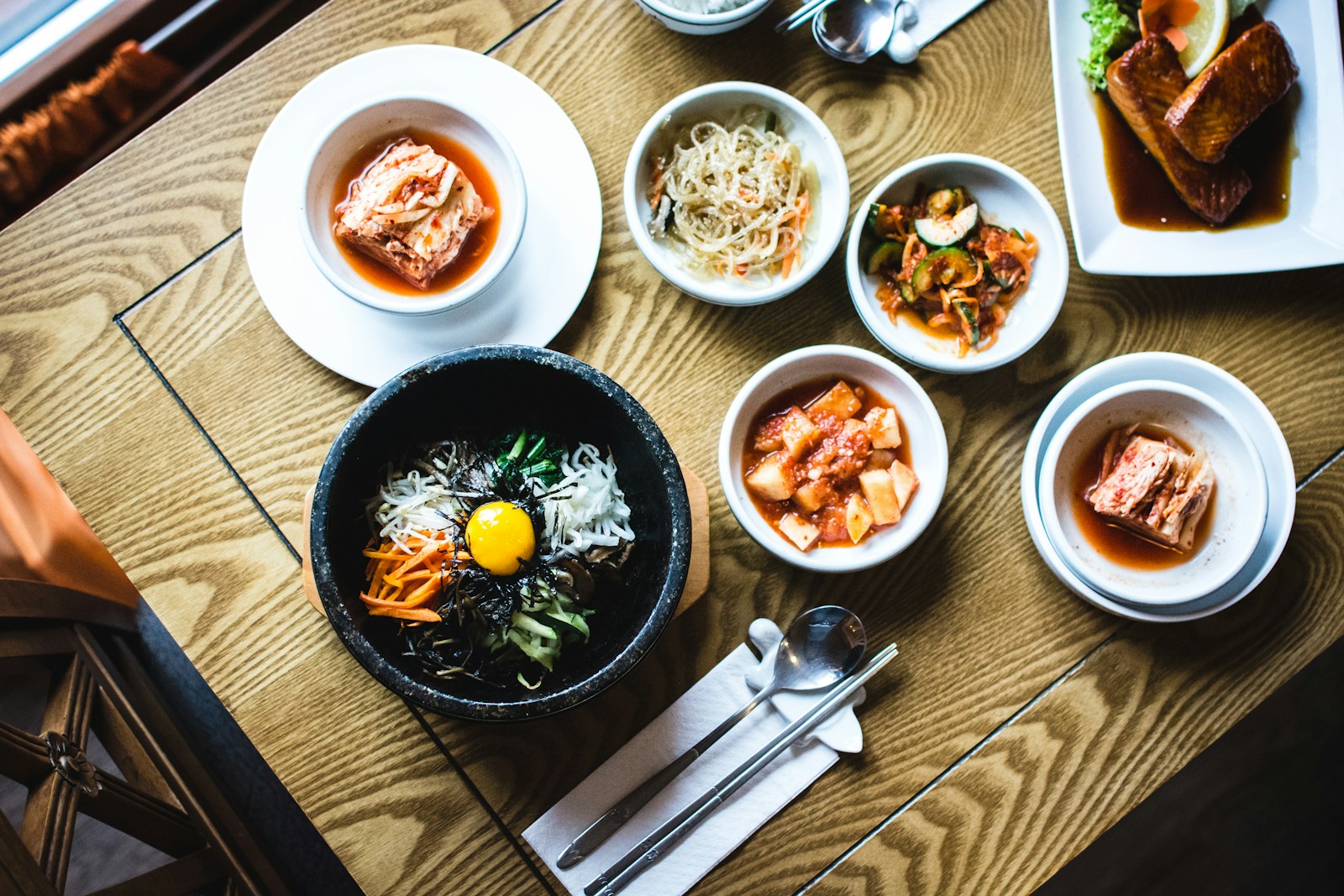
An easy Korean BBQ recipe isn’t complete without an array of side dishes and condiments. These additions enhance the meal and provide a balance of flavors and textures.
- Kimchi (김치): Kimchi is a staple in Korean cuisine. This spicy, fermented cabbage dish adds a tangy crunch to your BBQ. It’s rich in probiotics, which aid in digestion.
- Ssamjang (쌈장): Ssamjang is a thick, spicy dipping sauce made from doenjang, gochujang, garlic, onion, and sesame oil. It’s perfect for adding a punch of flavor to your wraps.
- Pickled Vegetables: Pickled radishes, cucumbers, and other vegetables provide a refreshing contrast to the rich, savory meats. They’re easy to make and can be prepared ahead of time.
- Japchae (잡채): Japchae is a sweet and savory dish made from stir-fried glass noodles, vegetables, and beef. It’s a great addition to your Korean BBQ spread, offering a different texture and flavor.
- Rice (밥): Steamed white rice is a must-have. It balances the strong flavors of the BBQ and helps fill you up.
- Namul (나물): Namul refers to a variety of seasoned vegetable dishes. These can include spinach, bean sprouts, and fernbrake. They add a healthy and flavorful dimension to your meal.
- Gyeran Jjim (계란찜): Gyeran Jjim is a savory steamed egg custard that’s light and fluffy. It’s often served in a hot stone bowl, providing a warm and comforting side dish.
- Banchan (반찬): Banchan are small side dishes served along with rice and other dishes in Korean cuisine. They can be anything from marinated fish cakes to seasoned tofu. These small bites add variety and depth to your meal.
Tips for Hosting a Korean BBQ Party
Hosting a Korean BBQ party is a fun and interactive way to bring friends and family together. Here are some tips to ensure your event is a success.
Plan Ahead
Throwing a fantastic Korean BBQ bash takes some serious planning and a keen eye for the little things. Getting those marinades and side dishes sorted ahead of time really takes the pressure off when the big day arrives, so you can kick back and hang out with your guests. Don’t skimp on the banchan either·that spread of side dishes alongside the main event? It’s what takes your BBQ from good to great, catering to all kinds of taste buds and making sure nobody leaves hungry. Stick to these tips, and you’ll be the talk of the town for throwing the ultimate Korean BBQ bash!
Set Up a Self-Serve Station
Arrange the raw meats, marinades, and side dishes on a large table. This encourages guests to get involved in the cooking process, making it a communal experience.
Provide Grill Instructions
If your guests are unfamiliar with Korean BBQ, give a quick demonstration on how to grill the meat and assemble the wraps. This ensures everyone has a great time and enjoys the food.
Offer a Variety of Drinks
Korean BBQ pairs well with a range of beverages. Consider offering soju, a popular Korean spirit, along with beer, wine, and non-alcoholic options like sparkling water or iced tea.
Keep It Casual
The beauty of Korean BBQ is its casual, relaxed vibe. Encourage guests to eat with their hands, make their own wraps, and try different combinations of meats and side dishes.
Create a Comfortable Atmosphere
Ensure there is plenty of seating and table space for everyone to enjoy their meal comfortably. Set up outdoor heaters if necessary, and provide cushions or blankets for added comfort.
Play Korean Music
Set the mood with some Korean music. Whether it’s K-pop or traditional Korean melodies, music can enhance the dining experience and make the evening more memorable.
Have Fun with Desserts
While Korean BBQ is the main event, don’t forget to offer some desserts. Popular choices include bingsu (shaved ice with toppings), hoddeok (sweet pancakes), and yakgwa (honey cookies).
Health Benefits of Korean BBQ
An easy Korean BBQ recipe isn’t just delicious; it also offers several health benefits. Here’s why you can feel good about indulging in this tasty cuisine.
- High in Protein: The main component of Korean BBQ is meat, which is a great source of protein. Protein is essential for muscle growth, repair, and overall health.
- Rich in Probiotics: Kimchi and other fermented side dishes are rich in probiotics, which promote healthy gut bacteria and improve digestion.
- Balanced Diet: A typical Korean BBQ meal includes a variety of vegetables, which provide essential vitamins and minerals. Lettuce wraps also add fiber to your diet, helping with digestion.
- Low in Carbs: If you opt for more meat and vegetables and less rice, Korean BBQ can be a low-carb meal, making it suitable for those following a low-carb or ketogenic diet.
- Natural Ingredients: Korean BBQ relies on fresh, natural ingredients and minimal processing. The marinades are made from scratch, avoiding the preservatives and additives found in many store-bought sauces.
- Encourages Slow Eating: The communal aspect of Korean BBQ encourages slow eating, which can aid in better digestion and help prevent overeating.
- Lean Protein Options: Many Korean BBQ dishes use lean cuts of meat like sirloin or chicken breast, which are lower in fat compared to other protein sources, making it easier to maintain a balanced diet.
- High in Antioxidants: The various vegetables and marinades used in Korean BBQ are often rich in antioxidants. Garlic, ginger, and sesame oil, for example, have anti-inflammatory and antioxidant properties that benefit overall health.
- Hydration from Vegetables: The high content of fresh vegetables in Korean BBQ provides not only fiber but also hydration, which is crucial for maintaining good health. The water content in lettuce, cucumbers, and other vegetables helps keep you hydrated.
- Heart Health: The use of sesame oil and seeds in Korean BBQ provides healthy fats that are beneficial for heart health. These fats can help lower bad cholesterol levels and reduce the risk of heart disease.
Korean BBQ is more than just a meal; it’s an experience that brings people together. With its rich flavors, diverse dishes, and health benefits, it’s no wonder that Korean BBQ has gained popularity worldwide. By following this ultimate guide, you can create an easy Korean BBQ recipe at home that will impress your friends and family. Remember to experiment with different marinades and side dishes to find your perfect combination.
Whether you’re hosting a party or enjoying a casual meal with loved ones, Korean BBQ offers a unique and delicious dining experience. So gather your ingredients, fire up the grill, and get ready to start a culinary adventure.
If you enjoyed this guide or have any questions, please leave a comment below. I’d love to hear about your experiences with Korean BBQ and any tips or recipes you have to share. Happy grilling!