
Doenjang Jjigae
Fermented soybean stew.
Doenjang jjigae is the heart of Korean home cooking. Almost every Korean grew up with a version of this stew on the family table at least once a week. Doenjang (된장), fermented soybean paste, is what gives it that deep, almost meaty savoriness. A spoonful in hot broth and the whole kitchen smells right.
Doenjang is one of Korea’s great fermented gifts. Traditionally made in clay onggi jars in winter and aged for months or years, it is the foundation of countless soups, stews, and dipping sauces (ssamjang). Each family’s doenjang is slightly different; older doenjang is darker, deeper, and prized.
This is Mrs. Lee’s everyday version, built on a quick anchovy-kelp broth, with zucchini, potato, and tofu as the body. You can add pork belly or clams if you want it heartier. It is the stew you make when you have nothing in the fridge and forty minutes.
Instructions
- Bring the anchovy-kelp broth to a simmer in a ttukbaegi (clay pot) or small heavy saucepan. If using pork belly, brown it briefly first, then add the broth.
- Whisk in the doenjang through a fine strainer or by mashing with a spoon, it should dissolve, not clump. Add the gochujang if using.
- Add the potato and onion. Simmer 5 minutes until the potato begins to soften.
- Add the zucchini and minced garlic. Simmer another 3 to 4 minutes.
- Gently add the tofu cubes and green chilies. Simmer 2 minutes more, do not stir hard or the tofu will break.
- Taste. Adjust with a touch more doenjang if it needs depth, or a splash of water if it is too strong.
- Top with green onions. Serve bubbling, with rice on the side.
Tips that don’t fit on a recipe card.
Don’t over-boil doenjang. Once dissolved, keep the stew at a gentle simmer. A hard rolling boil makes the paste taste bitter.
Older doenjang is better. If your jar has been in the fridge a year, you have hit gold. Use slightly less.
The ttukbaegi matters. A clay pot holds heat so the stew arrives at the table still bubbling. If you don’t have one, transfer to a small bowl just before serving for the same effect.
What goes alongside.
- Steamed short-grain rice (밥)
- A few banchan: cucumber kimchi, seasoned spinach, anchovy stir-fry
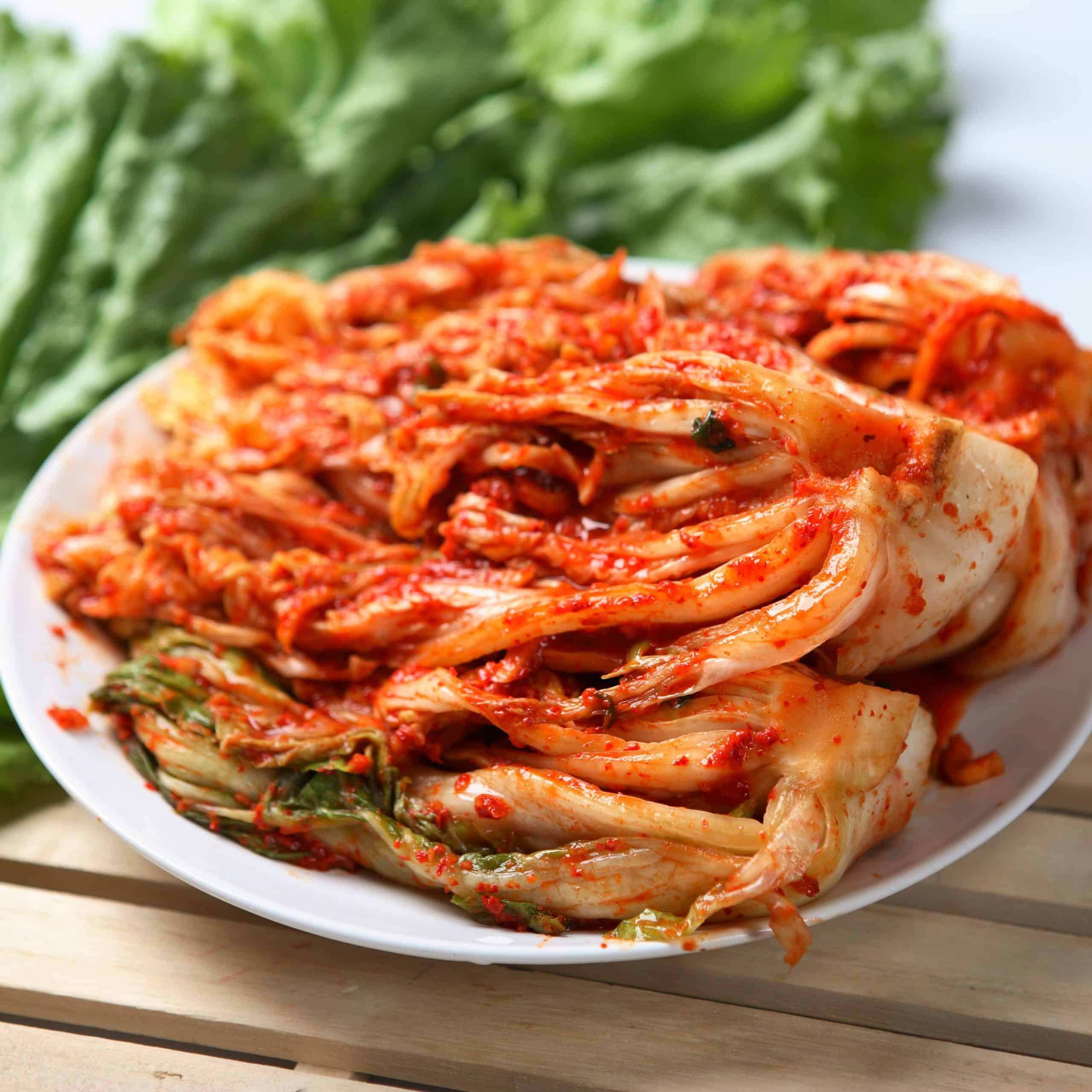
- The everyday kimchi you have on hand (배추김치)
Health notes
Doenjang is a fermented food and a source of probiotics, plant protein, and umami-rich glutamates. It is naturally salty, so if you are watching sodium, start with two tablespoons and adjust upward.
Get Korean recipes in your inbox.
A short letter, once a month: a recipe from Mrs. Lee, a story from the studio, anything we are excited about.