
Japchae
Glass noodle stir fry.
Japchae (잡채) is the dish that shows up at every Korean celebration. Birthdays, Chuseok, Seollal, weddings, anniversaries, the platter of glass noodles with vegetables and beef is on the table.
The name literally means “mixed vegetables.” The original 17th-century version did not even have noodles, it was a banquet dish of julienned vegetables for King Gwanghae of the Joseon dynasty. Glass noodles entered the recipe in the early 20th century and have stayed.
Japchae rewards patience. The secret is to cook each component separately so each holds its own flavor, then bring them together at the end. Done right, you can taste the carrot, the spinach, the mushroom, the beef, not a single homogeneous tangle.
Instructions
- Marinate the beef in 1 tablespoon soy sauce, 1 teaspoon sugar, 1 teaspoon sesame oil, half the garlic, and a pinch of pepper. Set aside.
- Soak the dangmyeon in warm water for 20 minutes until pliable, then drain.
- Boil the dangmyeon for 6 to 8 minutes until tender but still chewy. Drain, rinse cold, then cut with scissors into shorter strands. Toss with 1 tablespoon soy sauce and 1 tablespoon sesame oil so they don’t stick.
- Blanch the spinach in salted water for 30 seconds. Squeeze dry. Season with a pinch of salt, sesame oil, and the remaining garlic.
- Stir-fry each vegetable separately in a little oil, carrots first, then onion, then mushrooms, seasoning each with a pinch of salt. Set aside as you go.
- Stir-fry the beef in the same pan until cooked through, about 3 minutes.
- In a large bowl, toss the noodles with the remaining soy sauce, sugar, and sesame oil. Add all the vegetables and beef. Toss gently with your hands so everything is evenly coated.
- Adjust seasoning. Top with sesame seeds. Serve at room temperature or just warm.
Tips that don’t fit on a recipe card.
Cook each vegetable separately. It feels slow. It is the difference between great japchae and adequate japchae.
Cut the noodles after cooking. Glass noodles are very long; uncut, they are difficult to eat. Snip them into 6-inch lengths.
Make ahead. Japchae is one of the few Korean dishes that is arguably better the next day. Make it the morning of the party.
What goes alongside.
- On a celebration table, alongside galbi or bulgogi
- Steamed rice for a heartier meal
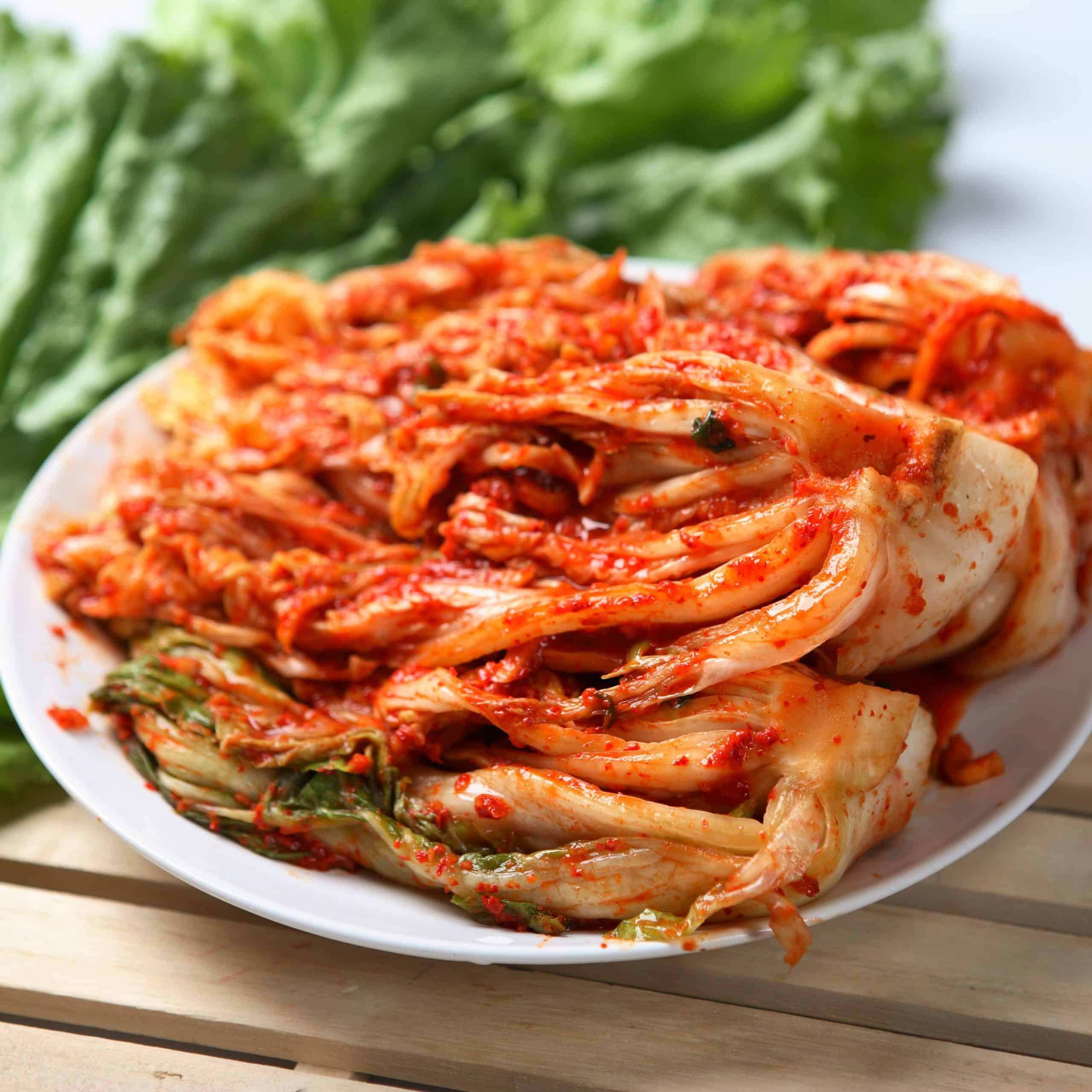
- Cold kimchi (it cuts the sweetness)
Vegetarian variation
Skip the beef. Add tofu (pressed and pan-fried) and double the mushrooms. The dish carries beautifully without meat.
Get Korean recipes in your inbox.
A short letter, once a month: a recipe from Mrs. Lee, a story from the studio, anything we are excited about.